What does “dial re-dial” mean?
What it means
Dial re-dial refers to the physical replacement of the original watch dial with a new component. This is a modification, not a standard service repair. The replacement dial may be an OEM part from a different model, a reproduction, or a custom aftermarket piece. The mainstream equivalent is "dial replacement." For collectors, this fundamentally changes the watch's originality and provenance. A factory-original dial is the benchmark for value. A re-dial means the watch is no longer factory-original in its most visible component.
What it does to price
The impact on price is almost always negative unless the re-dial is a high-quality, documented, and sought-after upgrade within a specific collecting circle. A standard, undocumented re-dial typically results in a 30% to 60% reduction in value compared to a comparable, original dial piece. If the re-dial is a high-quality, documented "mod" accepted by a specific enthusiast group (e.g., a specific vintage brand's dial restoration), the value might stabilize or even increase slightly, but this is niche-dependent. A simple, low-quality re-dial on a mid-range watch might see a $150 immediate markdown.
How to spot it
Visual inspection is key. Examine the dial printing under magnification. Look for inconsistencies in font weight, alignment, or the application of the lume plots. Original dials have specific factory markings, serial number placement, and typeface characteristics that are difficult for aftermarket parts to replicate perfectly. Ask the seller for high-resolution, macro photographs of the dial surface, particularly around the hour markers and the brand logo. Common mistakes include mismatched lume color aging or incorrect alignment of the date window text.
Buying smart
Paying a premium for a re-dial is only justifiable if the modification is explicitly documented as a known, desirable, and historically significant "restoration" or "mod" accepted by the watch's specific community. If the dial is replaced to mimic a different model (a "clone" dial), the watch's value is tied to the clone's popularity, not the original model's. Otherwise, the premium is unwarranted. A fair deal requires the seller to disclose the change upfront; otherwise, the price is inflated based on a false premise of originality.
Selling smart
Transparency maximizes buyer trust and price realization. Listing the watch as "Dial Re-dialed" or "Modified Dial" immediately sets expectations. If the re-dial is high quality and desirable, the description must detail the origin and quality of the replacement dial. The single most valuable piece of evidence is a photograph showing the dial's specific factory-style printing or a certificate of modification, if one exists. Hiding the modification forces the buyer to discover it, leading to immediate price negotiations or rejection.
On eBay right now
Current asking prices from live listings — not sold-comp medians.
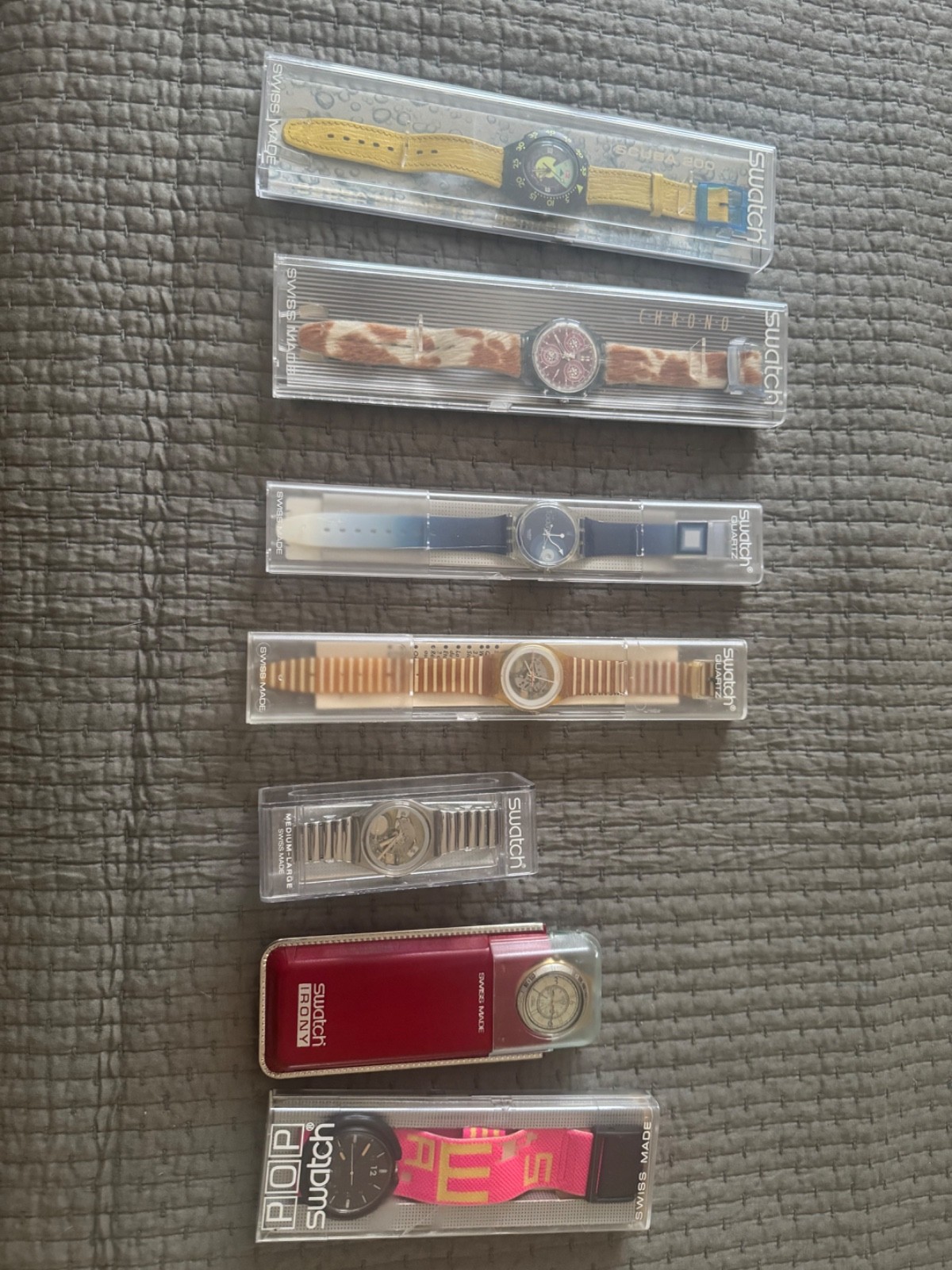


eBay links are affiliate links: JunkPal may earn a commission at no cost to you.