What does “dial patina type” mean?
What it means
Dial patina refers to the chemical and aesthetic changes that occur on a watch dial surface over decades. This is not oxidation or damage; it is the natural aging process resulting from environmental exposure—oils, humidity, and light. The specific coloration—ranging from warm honey tones to subtle darkening or uniform yellowing—is the patina. In the collecting niche, patina is a marker of provenance and history. A consistent, aesthetically pleasing patina is valued as an authentic signifier of age. The mainstream equivalent is simply "natural aging," but in vintage watch collecting, the *quality* of that aging dictates value.
What it does to price
Patina acts as a significant, non-linear value driver. A perfectly uniform, desirable patina can increase a vintage watch's market value by 20% to 50% compared to a dial that is overly bright or shows inconsistent spotting. Conversely, severe, uneven discoloration, staining, or foxing (brown spotting) can reduce value by 30% or more, as it suggests poor storage or chemical damage. For example, a clean, desirable honey-toned patina on a mid-tier vintage diver might add $300 to $800 over a comparable dial with no patina.
How to spot it
Assessment requires magnification (10x loupe). Look for uniformity across the entire dial surface. Good patina integrates smoothly with the dial's original finish; it does not appear as blotches or separated layers. Check the lume plots—the material used for hour markers—for color shift alongside the dial. Fakes often attempt to mimic patina using chemical washes, resulting in unnatural, patchy color gradients. Honest mistakes include improper cleaning, which can strip the original patina layer entirely, leaving a "reset" dial that is often less desirable than a well-aged piece.
Buying smart
Paying a premium for patina is justified when the watch is otherwise structurally sound, the movement is running well, and the patina is consistent across the dial and hands. This premium is for *character*. It is not worth the premium if the patina is masking underlying issues, such as dial cracking (crazing) or significant lume degradation. A fair deal involves a price premium that aligns with the patina's consistency; if the patina looks random or patchy, the premium should be minimal or nonexistent.
Selling smart
When listing, the patina must be presented as an asset, not an accident. Use high-resolution, raking light photos that specifically highlight the dial's coloration and texture. Do not use vague terms like "aged." Instead, use descriptive terms like "rich honey patina" or "even, warm darkening." The single most effective word in a listing description is "Authentic Patina," as this immediately signals to knowledgeable buyers that the watch has been allowed to age naturally, earning the highest valuation tier.
On eBay right now
Current asking prices from live listings — not sold-comp medians.
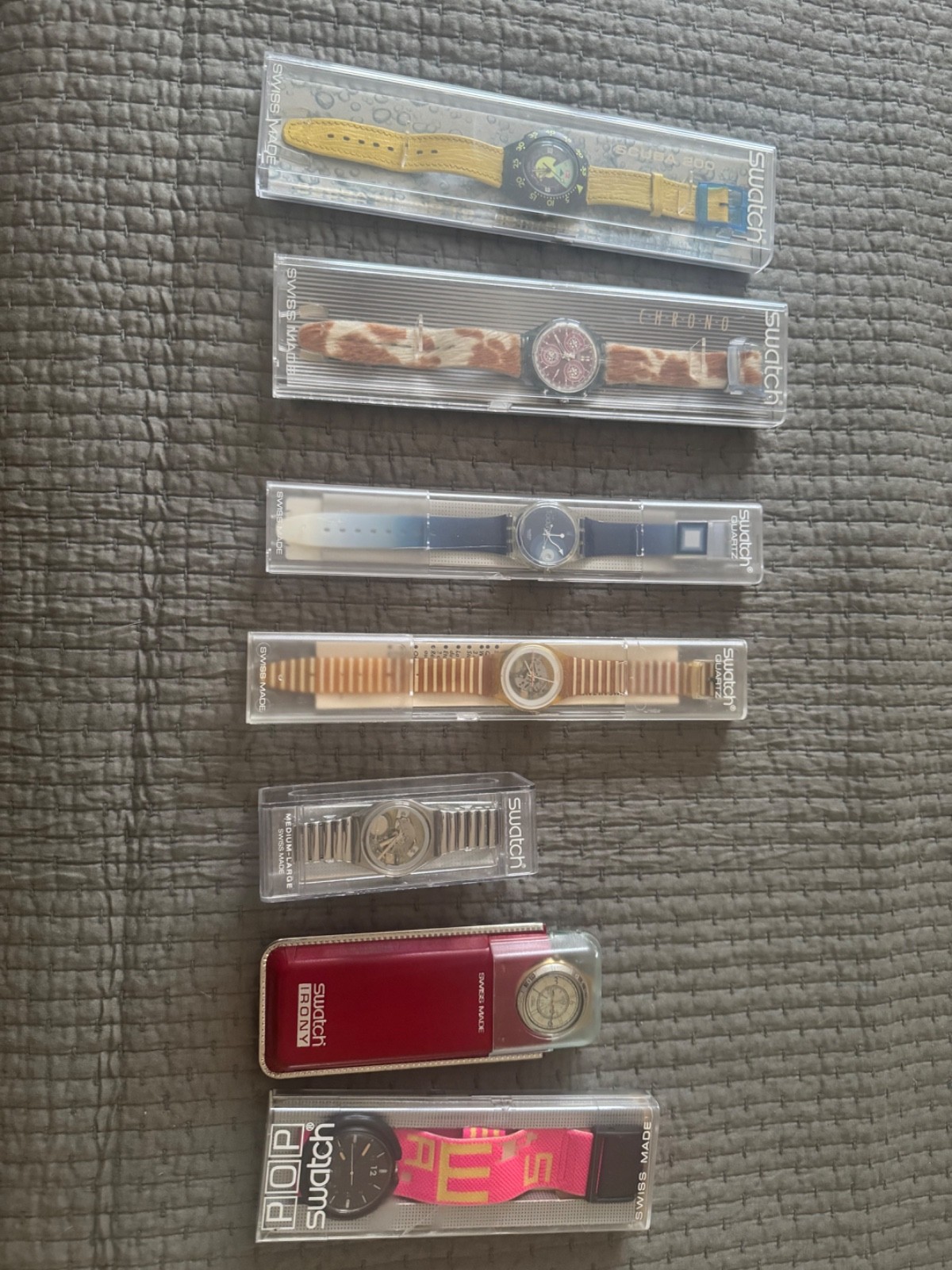


eBay links are affiliate links: JunkPal may earn a commission at no cost to you.