What does “dial mottling” mean?
What it means
"Dial dial dial mottling" is a specific form of surface degradation on a watch dial. It refers to non-uniform, patchy variations in color, texture, or finish across the dial surface. This is distinct from uniform discoloration (like yellowing) or intentional patina. Mottling presents as an irregular pattern of lighter and darker areas, often resembling spotting or a mottled stain. In collecting terms, it is a cosmetic flaw indicating chemical reaction, environmental exposure, or poor storage over time. While some controlled, desirable aging (patina) adds character, mottling signals material degradation, reducing the dial's aesthetic integrity.
What it does to price
Mottling is a negative condition factor that directly depresses value. The impact is highly dependent on the watch's base value and the severity of the mottling. For a mass-market watch, mottling can result in a 20% to 40% reduction in resale value compared to a clean example. For high-end or vintage pieces, the reduction might be less severe proportionally, but the effect is still significant. A watch otherwise in excellent condition but exhibiting moderate mottling might sell for $150 less than an identical, clean model. Severe, widespread mottling can render a watch uncollectible for purists, potentially dropping value by 50% or more.
How to spot it
Spotting mottling requires close inspection, ideally under magnification. Look for irregular boundaries between different tonal areas—this is the tell. It is not a smooth gradient. Examine the indices and hands for signs of discoloration bleeding into the dial surface, which often accompanies mottling. Sellers must provide macro photographs focusing on the dial surface, especially around the center pinion and near the 12 o'clock marker. Be wary of sellers claiming "light spotting" if the pattern is highly irregular; this may be poor cleaning or a manufacturing defect rather than natural age-related mottling.
Buying smart
Paying a premium for a watch with significant mottling is only justifiable if the watch is otherwise extremely rare, historically significant, or if the mottling is extremely light and localized (e.g., a small spot near the edge). If the watch is a common reference, the cost of the mottling outweighs any potential "character" premium. A fair deal involves a price that reflects the visible degradation. If the mottling is extensive, the purchase should be treated as a repair or restoration project, requiring a discount to cover future servicing costs.
Selling smart
Transparency regarding mottling maximizes realized price. Do not attempt to hide it. In the listing description, use precise language: "Moderate dial mottling present; see photos for exact condition." High-resolution, direct-light photographs that clearly capture the uneven texture are non-negotiable. This documentation prevents buyer disputes and manages expectations. A clear disclosure allows buyers to price the watch appropriately for their tolerance for condition, often leading to a faster sale at a predictable, though lower, price point.
On eBay right now
Current asking prices from live listings — not sold-comp medians.
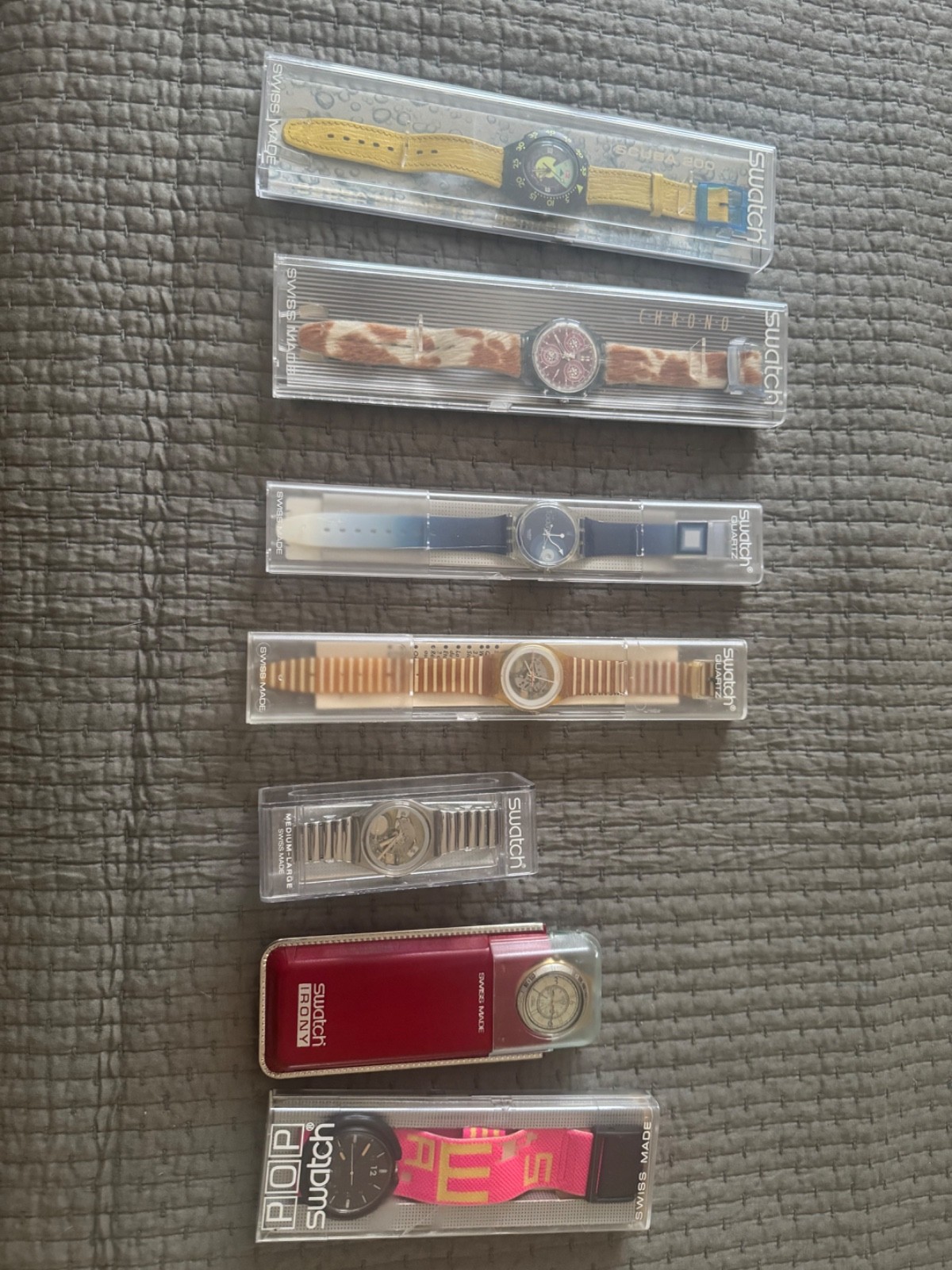


eBay links are affiliate links: JunkPal may earn a commission at no cost to you.