What does “dial matching” mean?
What it means
Dial matching is the verification that the watch face—including color, texture, finish, and applied markings—conforms precisely to the original factory specifications for that specific reference number and production period. This is not merely about the color being "close"; it requires alignment across all visual elements. For instance, the specific shade of green on a vintage dial must match the documented shade, and the application of luminous material (lume) must match the factory pattern. The mainstream equivalent is "factory originality" regarding the dial surface. Any deviation, such as a slightly off-tone patina, a different texture, or a re-painted area, constitutes a mismatch.
What it does to price
Dial matching is a primary driver of value, often acting as a binary switch. A watch with perfect dial matching commands top-tier pricing, frequently achieving a 2x to 4x premium over an otherwise identical watch with a noticeable mismatch. Conversely, a watch with a significant, uncorrected mismatch—such as a re-dial or a heavily altered patina—can see its value drop by 30% to 60%, depending on the severity. For example, a highly sought-after vintage piece with a factory-correct dial might sell for $15,000, while the exact same watch with a known, non-factory dial replacement might only fetch $9,000.
How to spot it
Inspection requires high-resolution photography under consistent, neutral light. Key tells include the crispness of the applied text (e.g., "Automatic," "Swiss Made"), the exact shade and distribution of the lume plots, and the texture of the dial surface (e.g., matte vs. sunburst). Sellers must provide macro shots of the dial surface and the bezel/case interface. Common issues include aftermarket lume application (often too bright or too uniform) or "re-dialing," where the original dial has been replaced entirely. Honest mistakes often involve slight variations in factory batch production, which are acceptable if documented.
Buying smart
Paying a significant premium for perfect dial matching is warranted when the watch is a highly desirable, historically significant reference where originality is paramount (e.g., specific limited editions or early production runs). If the model is common or the dial variation is minor (e.g., slight patina difference), the premium may not justify the cost. A fair deal involves the asking price reflecting the documented condition of the dial against established market comparables for known-good examples. If the seller cannot provide evidence of factory originality, the premium should be heavily discounted.
Selling smart
Proving dial matching in a listing elevates the perceived value immediately. The single most effective tool is a high-resolution, well-lit macro photograph focusing specifically on the dial's texture and applied markings, ideally next to a known reference photo. Using the term "Factory Original Dial" or "Verified Dial Match" in the title or description is critical. This language signals to high-end collectors that the watch has passed the most stringent originality checks, allowing the seller to command the top end of the market range.
On eBay right now
Current asking prices from live listings — not sold-comp medians.
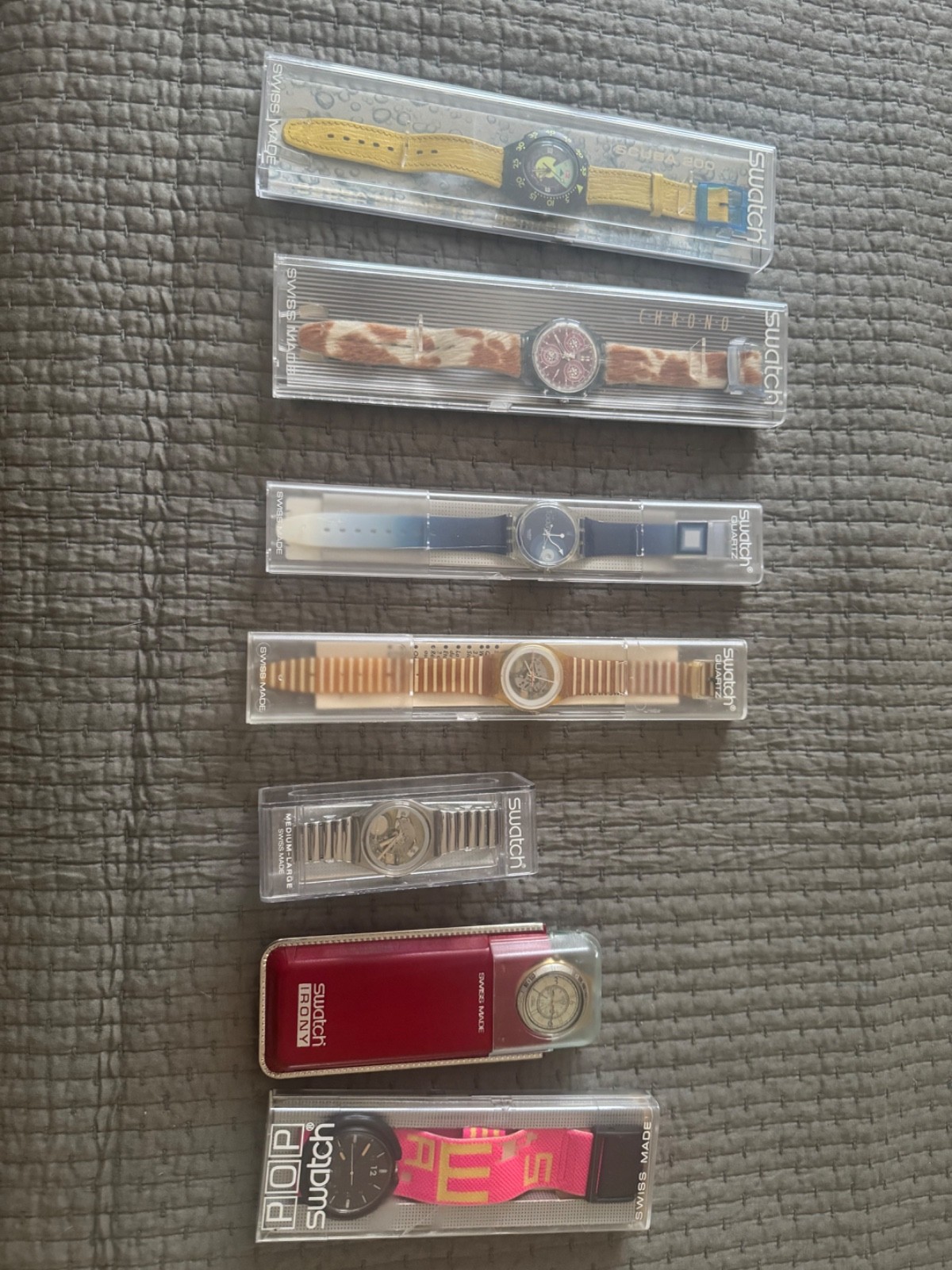


eBay links are affiliate links: JunkPal may earn a commission at no cost to you.