What does “dial aftermarket” mean?
What it means
"Dial aftermarket" refers to a watch dial that has been replaced or altered from the original factory component using a part not sourced from the Original Equipment Manufacturer (OEM). This is not merely a service modification; it is a component swap. These replacements vary widely, ranging from high-fidelity reproductions intended to mimic factory specs to low-cost, mass-produced substitutes. For the collector market, the presence of an aftermarket dial fundamentally impacts the watch's originality and provenance—the documented history of its components. While some enthusiasts value these changes for aesthetic personalization, the purist segment views any non-original dial as a deviation from factory specification, directly affecting collectible integrity.
What it does to price
The impact on price is almost always negative for high-end, original-spec pieces. A dial replacement typically reduces the watch's value by 20% to 50% compared to an identical, factory-dialed example, depending on the watch's rarity. If the aftermarket dial is a known, high-quality, period-correct reproduction (e.g., a known vintage re-dial), the depreciation may be mitigated, perhaps only resulting in a 10-20% reduction. Conversely, a cheap, obviously modern replacement can cause a steep drop, potentially making the watch worth less than its movement alone. For example, a vintage Rolex with a cheap, modern aftermarket dial might sell for $1,500 less than the same reference with its original dial.
How to spot it
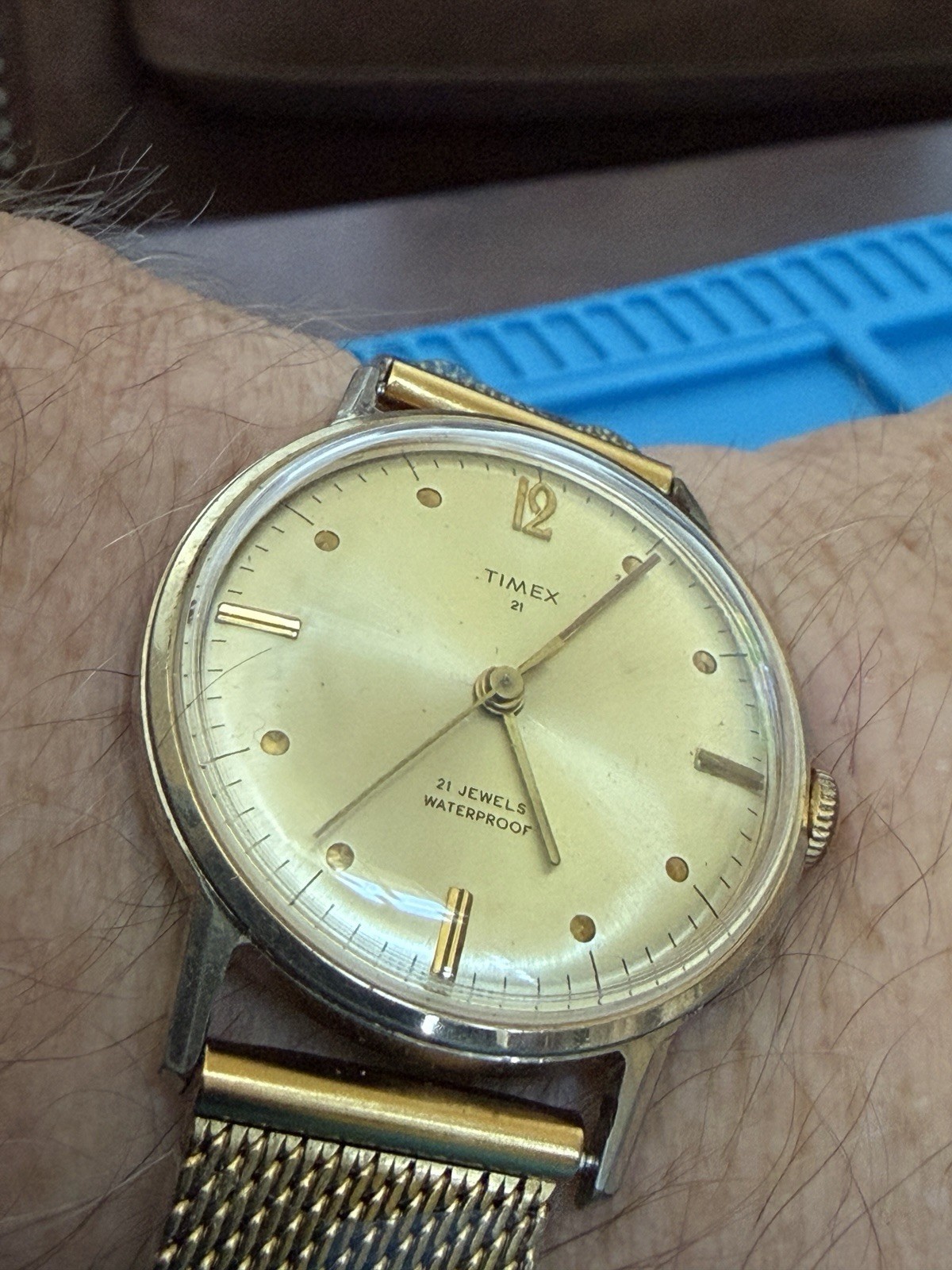
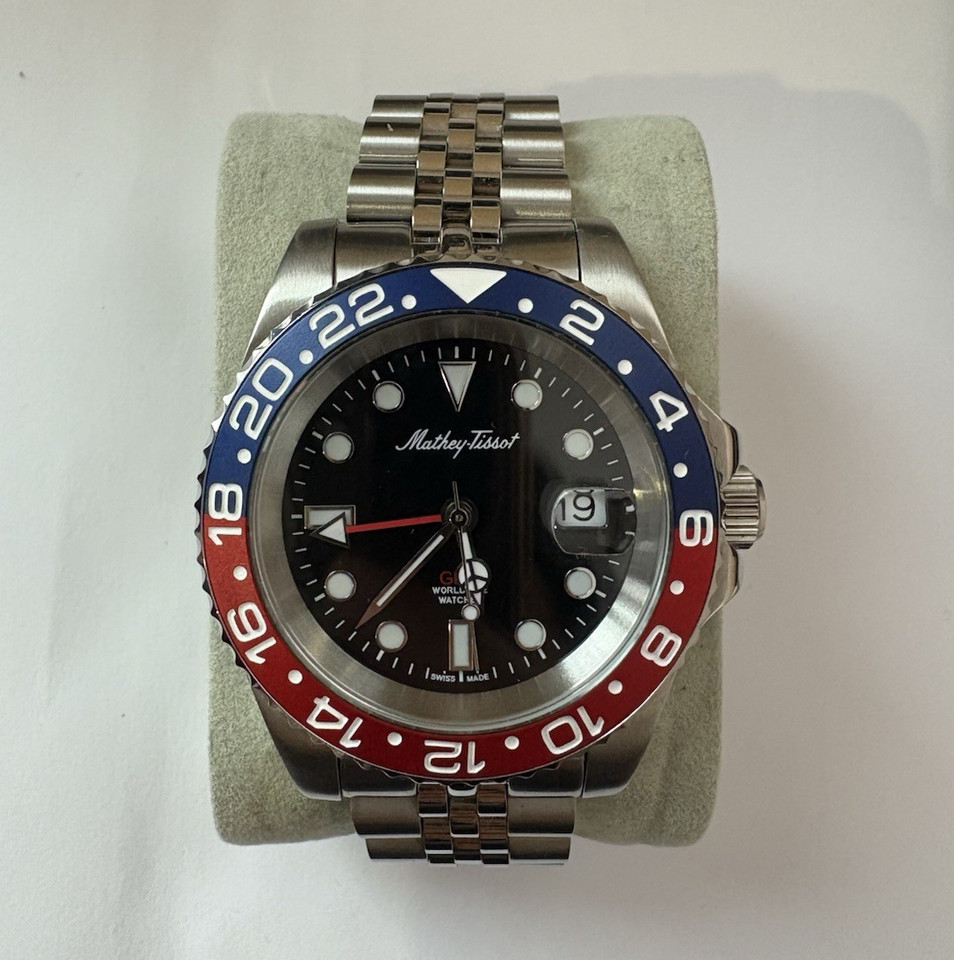
Identifying an aftermarket dial requires close inspection. Key tells include font inconsistencies, incorrect application of lume plots, misaligned indices, and incorrect print quality on the dial surface. Examine the dial's edges for signs of non-factory finishing. If the watch is a known reference, cross-reference the specific dial code or text print against known OEM examples. Sellers must provide high-resolution, close-up macro photographs of the dial surface, the hands where they meet the dial, and the dial's periphery. Watch out for sellers claiming "service dial" without providing documentation; this is often vague terminology for an aftermarket part.
Buying smart
Paying a premium for an aftermarket dial is justifiable only in specific scenarios. First, if the watch is otherwise in poor condition and the aftermarket dial is a high-quality, verifiable reproduction that restores the watch's aesthetic appeal without compromising mechanical integrity. Second, if the buyer is purchasing for personal wear and aesthetic preference, not investment. For investment-grade pieces, the rule is simple: avoid aftermarket dials unless the modification is documented, reversible, and sourced from a reputable specialist. A fair deal involves a significant discount (at least 25%) reflecting the loss of originality compared to a factory-dialed counterpart.
Selling smart
Transparency is mandatory when selling a watch with an aftermarket dial. Concealing the modification is grounds for buyer dispute and damages seller reputation. Listing the dial as "aftermarket," "re-dialed," or "non-OEM dial" manages expectations immediately. The single most valuable asset in the listing is a clear, well-lit, high-magnification photograph specifically focused on the dial surface, allowing buyers to verify the replacement part. Stating the dial's origin (e.g., "Reproduction Dial, [Maker Name]") earns a premium over a vague description, as it provides necessary context for the buyer's valuation.
On eBay right now
Current asking prices from live listings — not sold-comp medians.



eBay links are affiliate links: JunkPal may earn a commission at no cost to you.