What does “dial aesthetic appeal” mean?
What it means
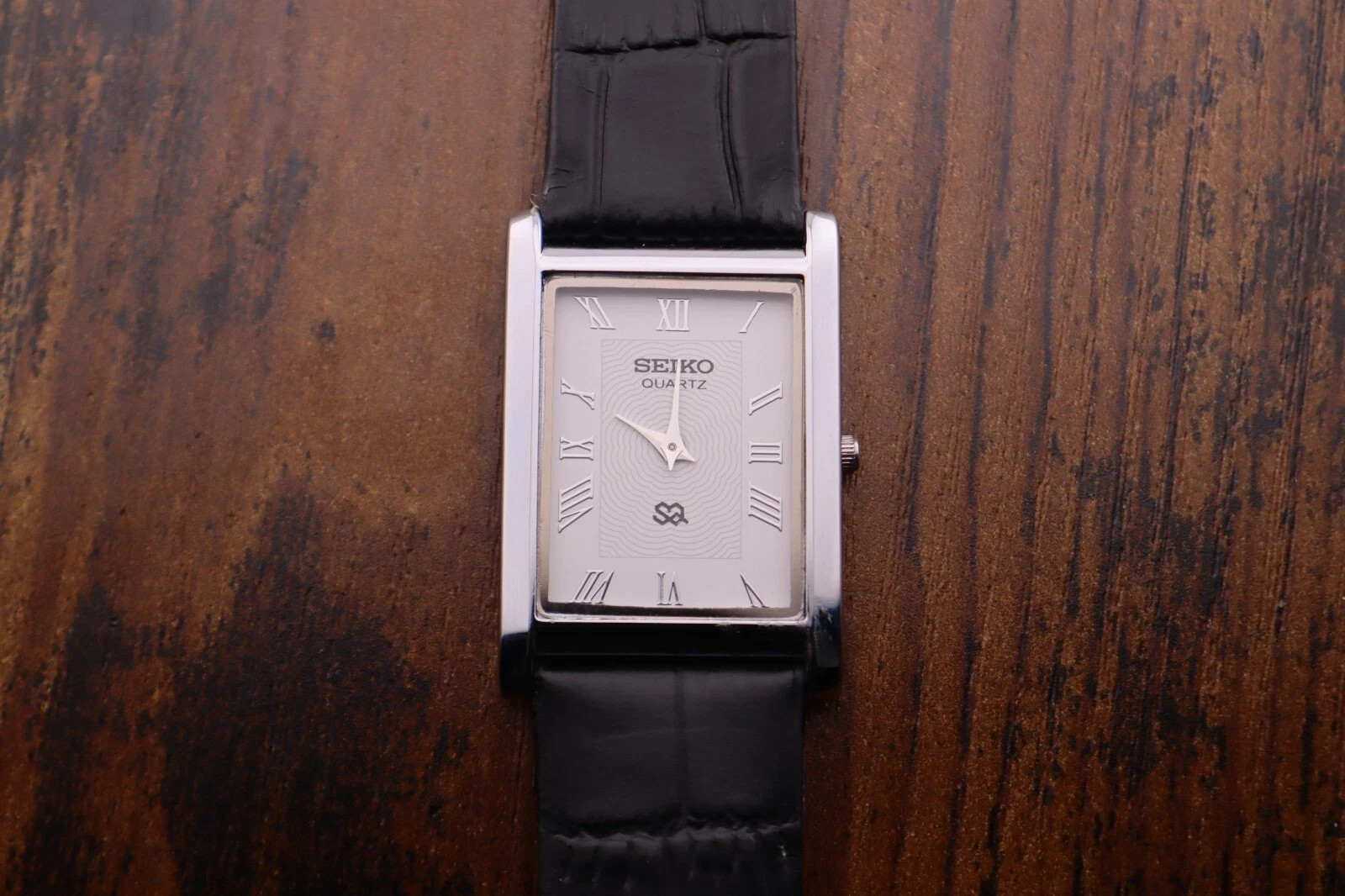
Dial aesthetic appeal is the subjective and objective visual quality of the watch face. It is not merely about color; it is the holistic design execution. This includes the interplay between the dial texture (e.g., matte, polished, sunburst), the application of markers (indices/numerals), the finishing of the hands, and the overall coherence of the design language. In the collecting niche, this is the visual signature of the watch. It is the mainstream equivalent of "visual design quality," but in watch collecting, it carries specific weight regarding historical accuracy and design intent. A poorly executed dial, even on a desirable case, significantly detracts from the piece's value.
What it does to price
Dial aesthetic is a major value driver, often dictating the difference between a standard market price and a premium collector price. A highly sought-after, complex dial (e.g., deep sunburst, intricate guilloché) can command a 30% to 100%+ premium over a plain, matte dial of the same reference number. For example, a common entry-level model with a standard silver dial might sell for \$1,500 loose; the same model featuring a rare, deep blue sunburst dial could easily achieve \$2,500 to \$3,000. Conversely, heavy patina, fading, or spotting on the dial can result in a 15% to 40% depreciation from the expected market value.
How to spot it
Scrutinize the printing quality. Sharp, crisp application of logos and indices indicates higher quality manufacturing. Look closely at the dial finish under magnification—is the sunburst consistent, or are there visible swirls or unevenness? For vintage pieces, look for evidence of original application; modern reproductions often have overly perfect, machine-like finishes. Sellers must provide high-resolution photos showing the dial surface from multiple angles. Common mistakes include poor lume application (uneven color or texture) or incorrect hand alignment relative to the dial markers.
Buying smart
Paying a significant premium for dial aesthetic is justified when the watch is a documented centerpiece of a specific design era or brand signature. If the dial represents a known, limited, or highly desirable variation (e.g., a specific colorway or texture only produced for a short run), the premium is warranted. Avoid paying high premiums for aesthetic enhancements on common, mass-produced models unless the enhancement is verifiable and historically significant. A fair deal involves the premium being commensurate with the documented rarity and quality of the specific dial finish, not just the general appeal.
Selling smart
Documenting the dial's quality is non-negotiable for maximizing sale price. Do not rely on vague terms. Use specific descriptive language: "Deep Blue Sunburst," "Matte Black with Applied Indices," or "Vintage Gilt Dial." The single most effective visual aid is a macro photograph taken in bright, direct light that clearly reveals the texture and depth of the dial finish. This visual proof allows buyers to justify the premium price point.
On eBay right now
Current asking prices from live listings — not sold-comp medians.


eBay links are affiliate links: JunkPal may earn a commission at no cost to you.