What does “customer acquisition cost” mean?
What it means
Customer Acquisition Cost (CAC) in reselling is the total expenditure required to secure one new paying customer. This includes all direct marketing spend: platform listing fees, targeted ad buys (e.g., Instagram promotion, eBay ads), and promotional materials. For collectors, this metric translates directly to the necessary gross profit per item. A high CAC forces the reseller to price items high enough to cover marketing overhead, potentially pricing them out of the target market. A low CAC implies the item or the reseller's presence is attracting buyers organically, minimizing the need for paid promotion.
What it does to price
CAC directly dictates the minimum viable selling price. If a reseller spends \$500 on ads to acquire 10 new buyers, the CAC is \$50 per customer. If the average profit margin on a specific collectible is \$30, the reseller must ensure the item sells at a price point that covers the \$50 CAC plus the desired profit. A high CAC forces a higher floor price. For example, if a seller needs to cover a \$100 CAC, a \$50 item is a guaranteed loss unless it sells at a significant markup. Factors pushing CAC up include highly competitive markets (e.g., rare Pokémon cards) requiring aggressive bidding/promotion.
How to spot it
CAC is not an inherent feature of the item itself; it is a function of the seller’s marketing strategy. However, the *need* for high CAC can be spotted by analyzing the seller’s listing behavior. Look for sellers who list items with minimal description, relying solely on aggressive paid promotion to drive traffic. If a seller is constantly running "Buy It Now" promotions with steep discounts, they are likely compensating for a high CAC. For collectors, examine the seller's profile history; a seller with thousands of listings but few organic views suggests heavy reliance on paid traffic.
Buying smart
Paying a premium driven by a seller’s high CAC is only justifiable when the item offers unique, demonstrable value that overcomes the marketing inflation. This is true for "grail" pieces or items with proven, high secondary market demand. If the item is common or easily sourced elsewhere, paying a premium just to cover the seller's advertising costs is poor investment. A fair deal occurs when the asking price reflects the item's intrinsic rarity and condition, not the seller's marketing budget. If the item is priced 30% above the established market average, the buyer must assume the premium covers the seller's CAC.
Selling smart
Proving a low CAC in a listing increases buyer confidence and justifies a higher price ceiling. This is achieved by providing exhaustive, professional documentation that attracts organic search traffic and builds trust. The single most effective element is high-resolution, detailed photography showing all angles, including serial numbers or edition markers, presented without heavy digital filters. A clear, detailed description that answers every potential buyer question preemptively reduces support queries, lowering the seller's operational costs and signaling efficiency, which buyers interpret as value.
On eBay right now
Current asking prices from live listings — not sold-comp medians.


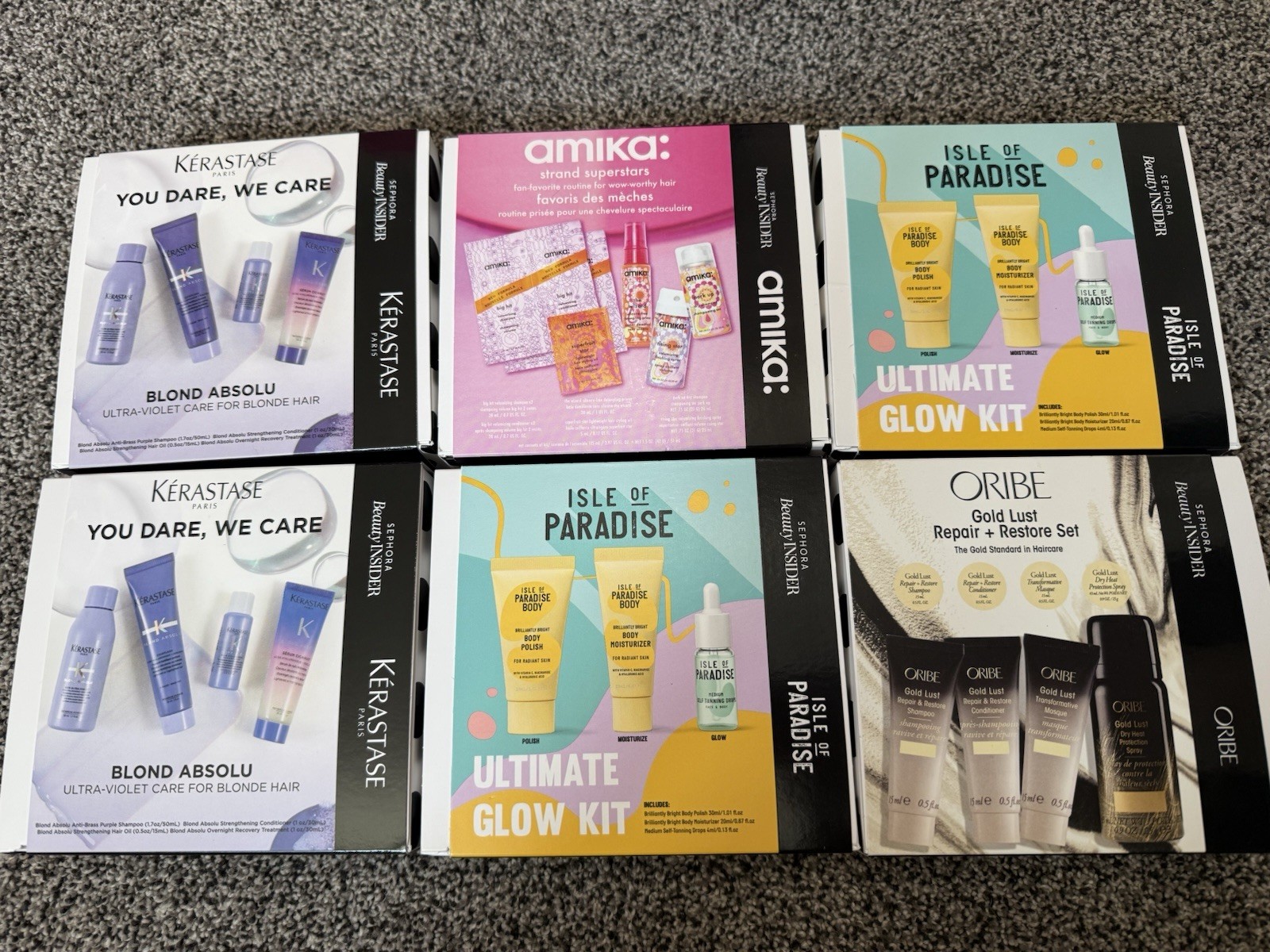

eBay links are affiliate links: JunkPal may earn a commission at no cost to you.