What does “cross-listing” mean?
What it means
Cross-listing is the simultaneous posting of identical inventory across multiple, distinct online sales channels. This is not merely cross-promotion; it is active, concurrent listing. The goal is market saturation—ensuring the item appears wherever a target buyer is browsing. For resellers, this maximizes exposure beyond the algorithms of a single platform. The mainstream equivalent is multi-channel selling. The core risk is inventory synchronization failure, resulting in overselling, which immediately degrades seller standing across all linked platforms.
What it does to price
Cross-listing itself does not dictate a price multiplier; it dictates market *reach*. The price point is determined by the item's intrinsic value and the perceived scarcity of the *listing*, not the item. If an item is cross-listed across high-traffic, high-intent platforms (e.g., eBay and a specialized forum), the ability to secure a sale increases, which can justify a slight premium—typically 5-10% above a single-platform listing price, provided the seller maintains flawless fulfillment. If the item is listed across low-traffic, high-friction platforms (e.g., a local Facebook Marketplace post alongside a niche forum), the premium is negligible or negative due to increased administrative overhead.
How to spot it
Identifying cross-listing requires looking beyond the item itself. Sellers engaging in this practice often use slight variations in listing metadata. Look for identical item descriptions paired with subtly different titles or categorization tags across different platforms. A telltale sign is the inclusion of platform-specific boilerplate language (e.g., "Shipping via USPS only" on one site, and "Local pickup preferred" on another, for the same item). When inspecting photos, look for inconsistencies in watermarks or platform branding if the seller has repurposed stock photography.
Buying smart
Paying a premium solely because an item is cross-listed is rarely a sound investment. The premium is for *availability*, not quality. A fair deal occurs when the cross-listing allows a buyer to secure a hard-to-find item quickly, preventing a long, drawn-out search. If the item is readily available on one platform, paying more simply for the convenience of seeing it elsewhere is overpaying. The premium is justified only when the item is highly volatile or subject to rapid sell-outs across the market.
Selling smart
To leverage cross-listing effectively, the listing must signal professional, synchronized inventory management. The single most effective element is a standardized, verifiable tracking number provided immediately upon purchase, regardless of the platform the sale originated from. A secondary, powerful element is a standardized, professional return policy displayed consistently across all listings. This signals to the buyer that the seller is not a casual flipper but a managed operation, justifying a higher, stable price point.
On eBay right now
Current asking prices from live listings — not sold-comp medians.


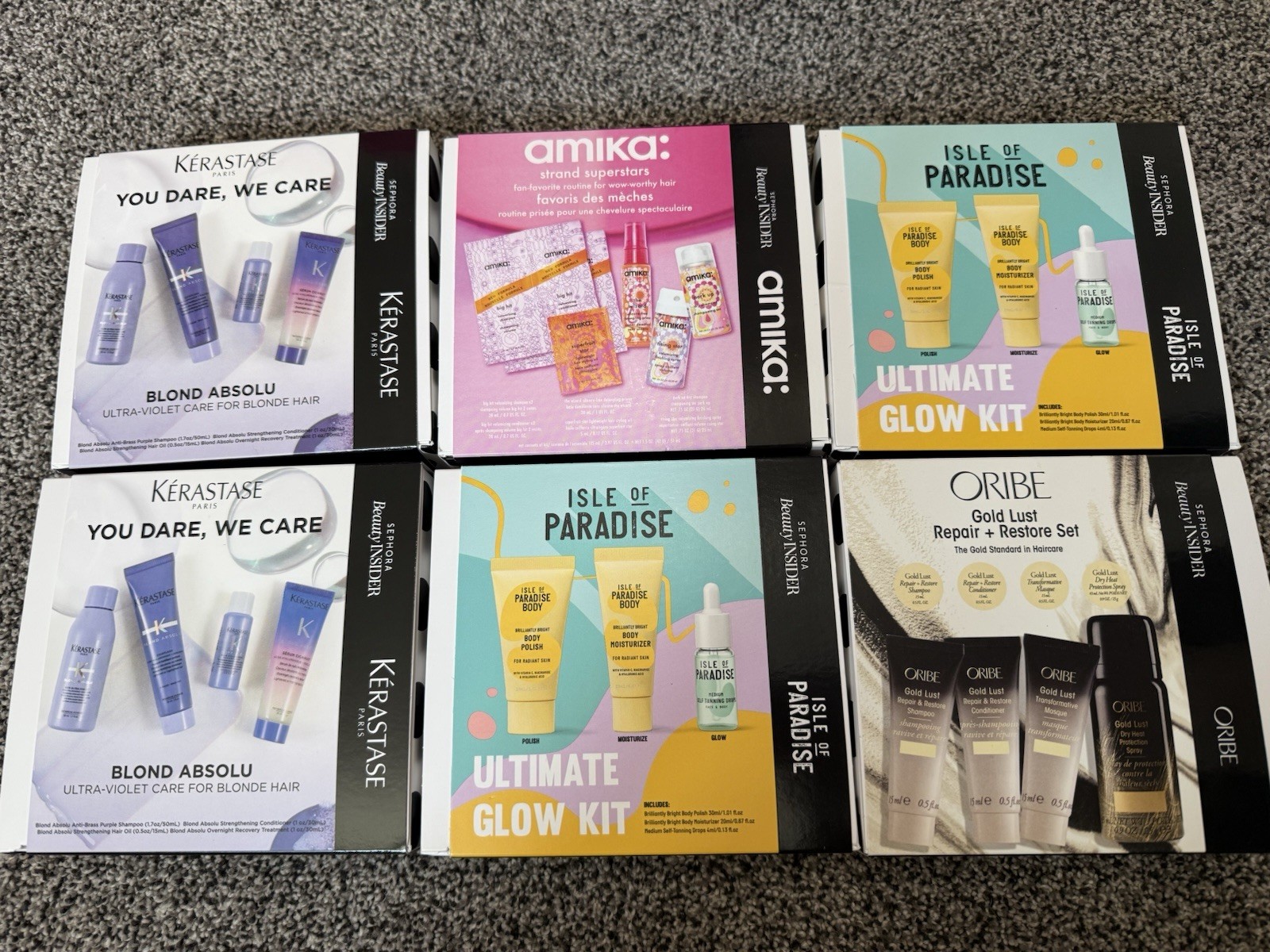

eBay links are affiliate links: JunkPal may earn a commission at no cost to you.