What does “conversion optimization” mean?
What it means
Conversion optimization in reselling is the strategic refinement of an item’s presentation—listing text, photography, and categorization—to maximize the likelihood of a sale from a browsing visitor. It is the direct application of e-commerce best practices to collectibles. The goal is not just to list the item, but to eliminate all friction points between a buyer's interest and their checkout click. This is the niche equivalent of maximizing the "click-to-purchase" rate. A high conversion rate means fewer views are needed to generate revenue.
What it does to price
Effective conversion optimization acts as a direct multiplier on perceived value. A perfectly optimized listing can push the final sale price 15% to 30% higher than a comparable, poorly presented listing, even if the item itself is identical. Poor presentation introduces perceived risk, which buyers discount. For example, a vintage comic book listed with only one blurry, poorly lit photo might sell for $50, whereas the same book with five high-resolution, graded-style photos and a detailed condition report might sell for $65 to $75. The extra $15-$25 is the premium paid for reduced buyer uncertainty.
How to spot it
The tells of good conversion optimization are evident in the listing itself. Look for comprehensive condition reports that go beyond "Good" or "Excellent"; specific notes on spine wear, corner dings, or print registration errors are indicators of thoroughness. High-quality sellers provide multiple, well-lit photos showing the item from all angles, including close-ups of serial numbers or unique markings. Red flags include generic stock photos, vague descriptions ("looks great"), or listings that fail to address common buyer concerns (e.g., "Is this signed?").
Buying smart
Paying a premium for optimized listings is worthwhile when the seller’s presentation directly mitigates high-risk variables. This is critical for high-value, easily faked, or highly variable items (e.g., rare trading cards, limited-run art prints). If a seller has provided clear documentation or multiple angles that allow the buyer to verify authenticity or condition, the slight price increase is an insurance premium against returns or disputes. It is not worth the premium for low-value, common items where the risk of misrepresentation is minimal.
Selling smart
Proving conversion optimization in a listing directly justifies a higher asking price. The single most impactful element is a standardized, high-resolution photo set. Instead of one main shot, providing a "detail shot" showing the item’s signature, manufacturer stamp, or unique flaw elevates the listing from a simple advertisement to a professional appraisal. A concise, bulleted condition summary that preemptively answers questions like "Is there any foxing?" or "Are all pages present?" reduces buyer hesitation, leading to faster sales at the desired price point.
On eBay right now
Current asking prices from live listings — not sold-comp medians.


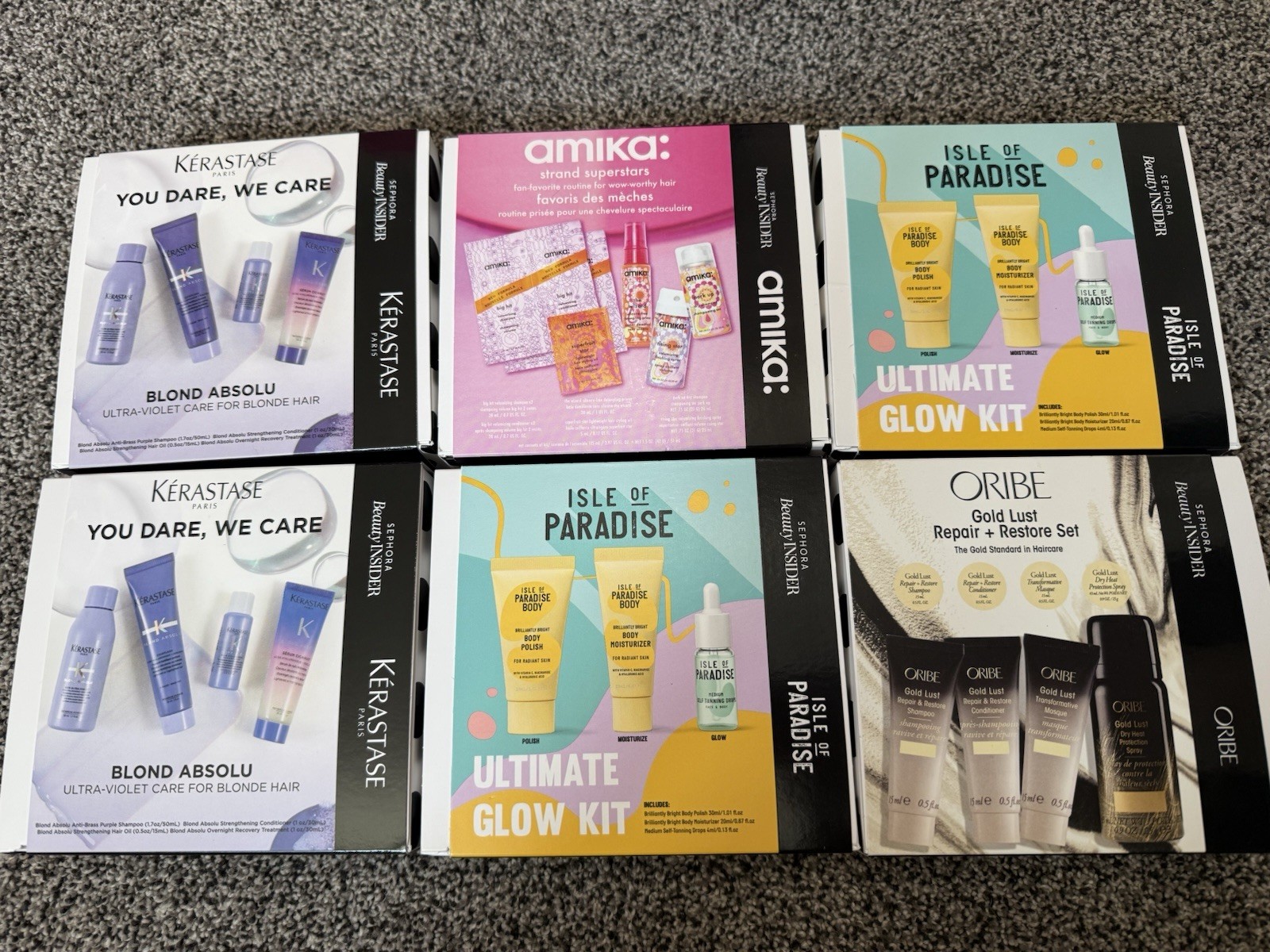

eBay links are affiliate links: JunkPal may earn a commission at no cost to you.