What does “conversion funnel” mean?
What it means
In the collecting niche, the conversion funnel describes the path a potential buyer takes from first seeing a collectible item to completing the purchase. It maps the entire engagement lifecycle: initial discovery (e.g., seeing an item in a social media feed or search result), evaluation (viewing the listing, reading descriptions, checking condition), commitment (adding to cart, making an offer), and final transaction. For resellers, the funnel identifies friction points. A drop-off between viewing and purchasing signals a problem—perhaps the description is unclear, the price is too high relative to perceived value, or the seller's reputation is weak. The mainstream equivalent is standard e-commerce sales pipeline analysis.
What it does to price
The efficiency of the funnel directly impacts realized price. A smooth funnel, where buyers move quickly from interest to purchase, supports higher pricing. If a listing has high views but low conversion (a leaky funnel), the seller must lower the price to incentivize the final step. Conversely, a highly engaged funnel—where buyers ask detailed, positive questions and proceed quickly—allows for premium pricing. For example, a rare, graded comic book that moves through the funnel rapidly, with multiple interested parties, can command a 10-20% premium over the asking price compared to a listing that sits stagnant for weeks. If a seller responds to inquiries slowly, the perceived urgency drops, typically resulting in a 5-10% price reduction needed to secure a sale.
How to spot it
Spotting funnel health involves analyzing listing data. High views coupled with low "Add to Cart" or "Inquire" rates indicates a problem in the evaluation stage—the listing itself is failing to convince. Low views overall suggests poor visibility or targeting. Specific tells include: high traffic from non-specific search terms (suggesting poor SEO/tagging) or a large volume of "Where is this located?" inquiries (suggesting shipping/logistics friction). When dealing with high-value items, a lack of clear provenance documentation or vague condition reports acts as a major funnel stopper, causing buyers to hesitate and walk away.
Buying smart
Paying a premium is justified when the funnel is proven robust. This means the item has demonstrable demand, evidenced by multiple, recent, high-quality inquiries or a history of quick sales at similar listings. A fair deal involves a price that reflects the item's inherent rarity *plus* the efficiency of the seller's presentation. If a seller has a poorly optimized listing (bad photos, vague terms) but the item is genuinely desirable, the buyer should negotiate down to account for the necessary effort required to move the item through the funnel. If the seller has a perfect, professional listing, the premium is warranted.
Selling smart
Proving funnel strength in a listing translates directly to buyer confidence and higher bids. This is achieved by minimizing perceived risk. The single most effective element is a high-resolution, detailed photo showing the item under natural light, clearly displaying any flaws or unique markings. A simple word like "Provenance Verified" or "Graded by [Service]" acts as a powerful funnel accelerator. These declarations immediately bypass the evaluation bottleneck, assuring the buyer that the item has already passed the initial scrutiny, thereby justifying a higher price point immediately.
On eBay right now
Current asking prices from live listings — not sold-comp medians.


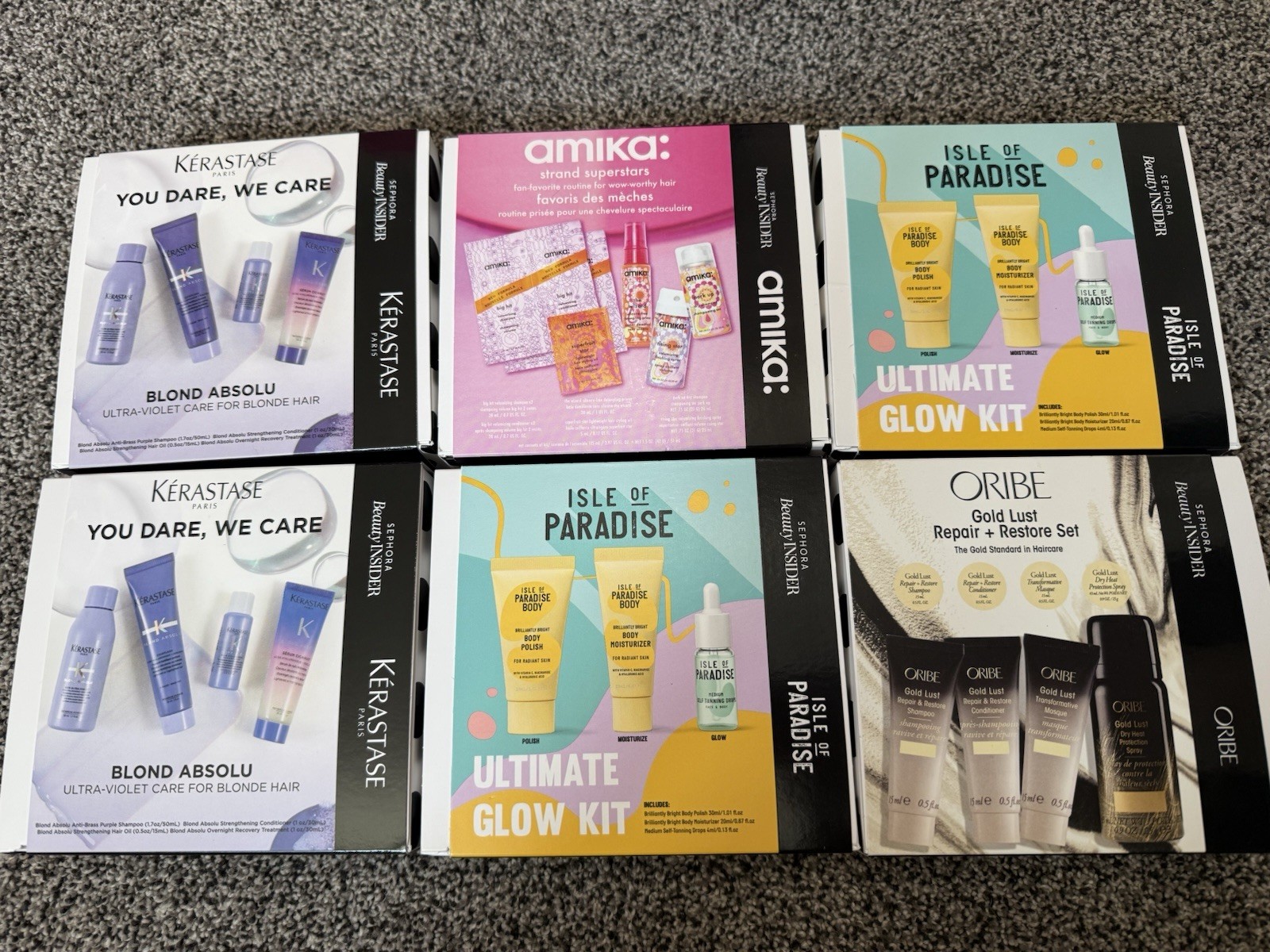

eBay links are affiliate links: JunkPal may earn a commission at no cost to you.