What does “collector tier” mean?
What it means
"Collector tier" is a platform-specific status, not an industry standard. It signifies a seller's established history of listing and successfully moving high-grade, verifiable items within a specific marketplace. It functions as a digital reputation badge, acting as a shorthand for expertise and reliability. Mainstream equivalent: Verified Dealer Status or Premier Seller designation. It is awarded based on consistent transaction volume and the quality/rarity of inventory listed, not simply the quantity of listings.
What it does to price
A high collector tier acts as a trust multiplier, allowing for a premium above standard market rate. For authenticated, high-demand items, this trust can translate to a 10-25% price uplift compared to unverified sellers. Conversely, an unverified seller attempting to list a high-tier item without supporting documentation will face significant discounting pressure. Example: A graded, rare trading card listed by a Tier 1 seller might sell for $1,200, whereas the same card listed by a new user, even if genuine, might cap out around $950 due to perceived risk.
How to spot it
The tier itself is visible on the seller’s profile page (e.g., a specific badge or numerical rank). To verify the *item's* quality, look beyond the seller's badge. Check for specific edition markers, serial numbers, or unique printing variations listed in the description. Request high-resolution photos of the item’s edges, corners, and any identifying marks. Common red flags include vague condition descriptions ("good shape") or failure to provide clear provenance documentation for high-value pieces.
Buying smart
Paying a premium based on a seller's collector tier is justified when the item is extremely rare, highly sought after, or requires specialized authentication (e.g., vintage electronics, limited-run art). It is not worth the premium for common, easily sourced items. A fair deal involves the asking price being within 15% of established market comps, with the tier premium accounting for the remaining difference. If the item is mid-range, the seller's tier should not be the primary justification for a significant price hike.
Selling smart
To maximize the return on a high-tier listing, the focus must shift from simply *having* the tier to *proving* the item's quality. The single most effective element is providing clear, multi-angle, high-resolution photographs that show the item’s condition without obstruction. A brief, precise statement of provenance (e.g., "Acquired from Estate Sale, 2022") elevates the listing above mere condition reporting, justifying the highest price points associated with a collector tier.
On eBay right now
Current asking prices from live listings — not sold-comp medians.


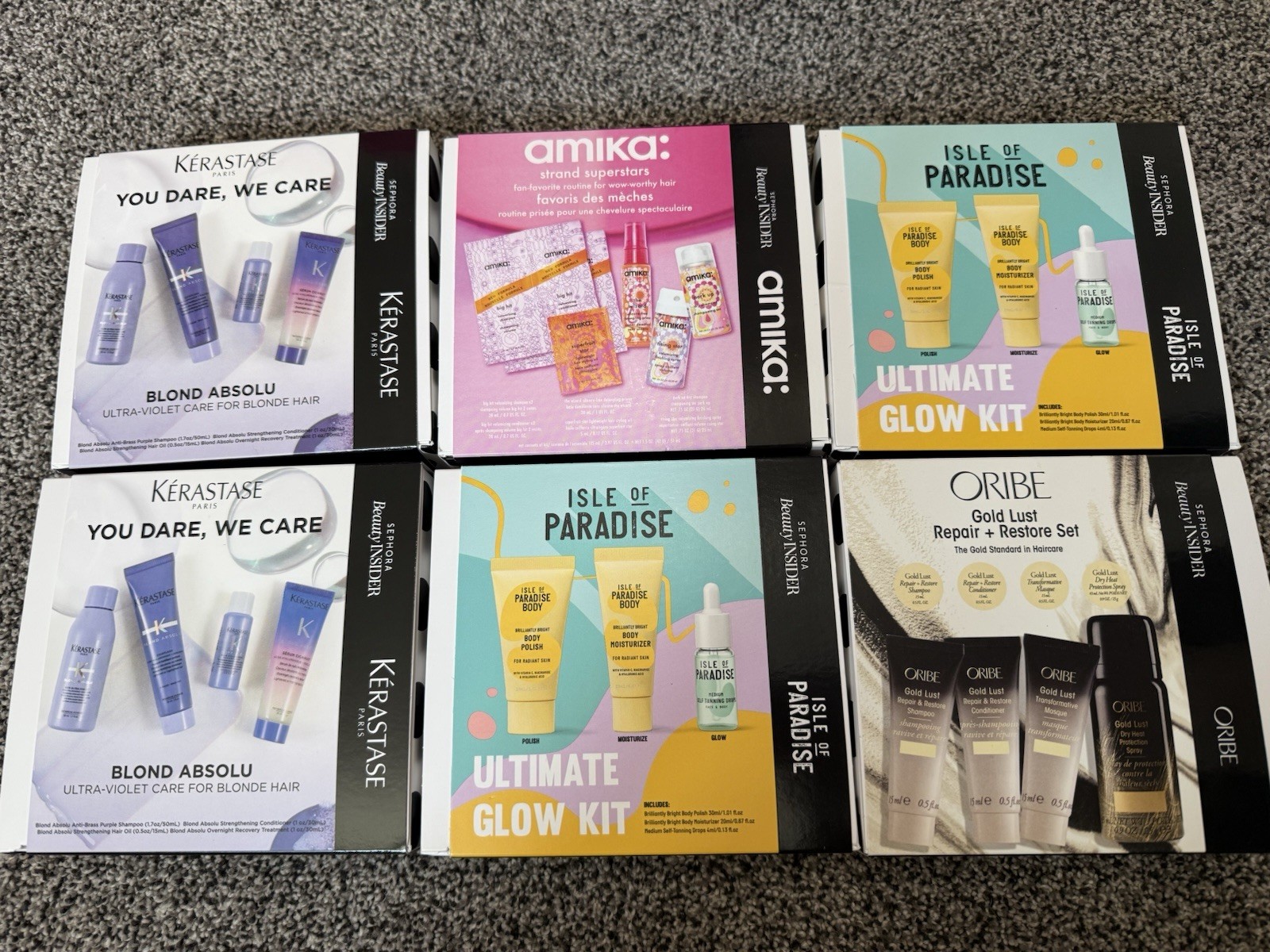

eBay links are affiliate links: JunkPal may earn a commission at no cost to you.