What does “chargeback” mean?
What it means
A chargeback is a formal dispute initiated by a buyer's financial institution against a completed sale. The bank reverses the payment, pulling the funds from the seller's account. This is distinct from a simple return; a return is a voluntary exchange. A chargeback is a financial liability claim, often categorized as "fraudulent charge" or "item not as described." For collectors and resellers, this is a payment processor risk, not just a product issue. High rates trigger platform scrutiny, leading to increased transaction fees or account restrictions.
What it does to price
Chargebacks do not directly affect the intrinsic value of a collectible item, but they severely impact the *liquidity* and *trust* surrounding the seller, which translates to price. A seller with a history of chargebacks will see their listings receive fewer views and lower offers. For a comparable item, a seller with a clean record might command a 10-15% premium over a seller flagged for payment disputes. If an item is sold via a platform with strict chargeback policies, the seller must factor in the potential loss of the item *and* the fee/penalty, effectively lowering the net realizable price.
How to spot it
Chargebacks are not visible on the item itself. They are a transaction history flag on the seller’s account. However, the *causes* of chargebacks can be spotted in listings. Look for vague descriptions ("Vintage Comic Book") without specific grading, edition numbers, or provenance. If a seller uses generic stock photos instead of high-resolution, specific photos of the actual item, the risk of "item not as described" claims increases. Common triggers include missing serial numbers, undisclosed damage, or failure to provide verifiable tracking information upon request.
Buying smart
Paying a premium to avoid a chargeback risk is only warranted when the seller has a verifiable, established reputation. If a seller is new or has ambiguous feedback, the premium is not worth the risk. A fair deal involves a seller who explicitly states their return/dispute policy and provides immediate access to detailed item documentation (e.g., grading reports, clear photos of serial numbers). If the price seems too low for a high-demand item, the discount may be compensating for a known, undisclosed risk or poor seller history.
Selling smart
Mitigating chargeback risk is a direct sales tool. Providing irrefutable proof of item condition and shipment is the premium offering. The single most effective element is a high-resolution photo clearly showing the item's identifying features—a specific print run number, a unique serial tag, or a visible corner crease—with a corresponding description note: "Condition verified against photo evidence." This documentation shifts the burden of proof away from the buyer and onto the seller’s documented record, significantly reducing the likelihood of a dispute.
On eBay right now
Current asking prices from live listings — not sold-comp medians.


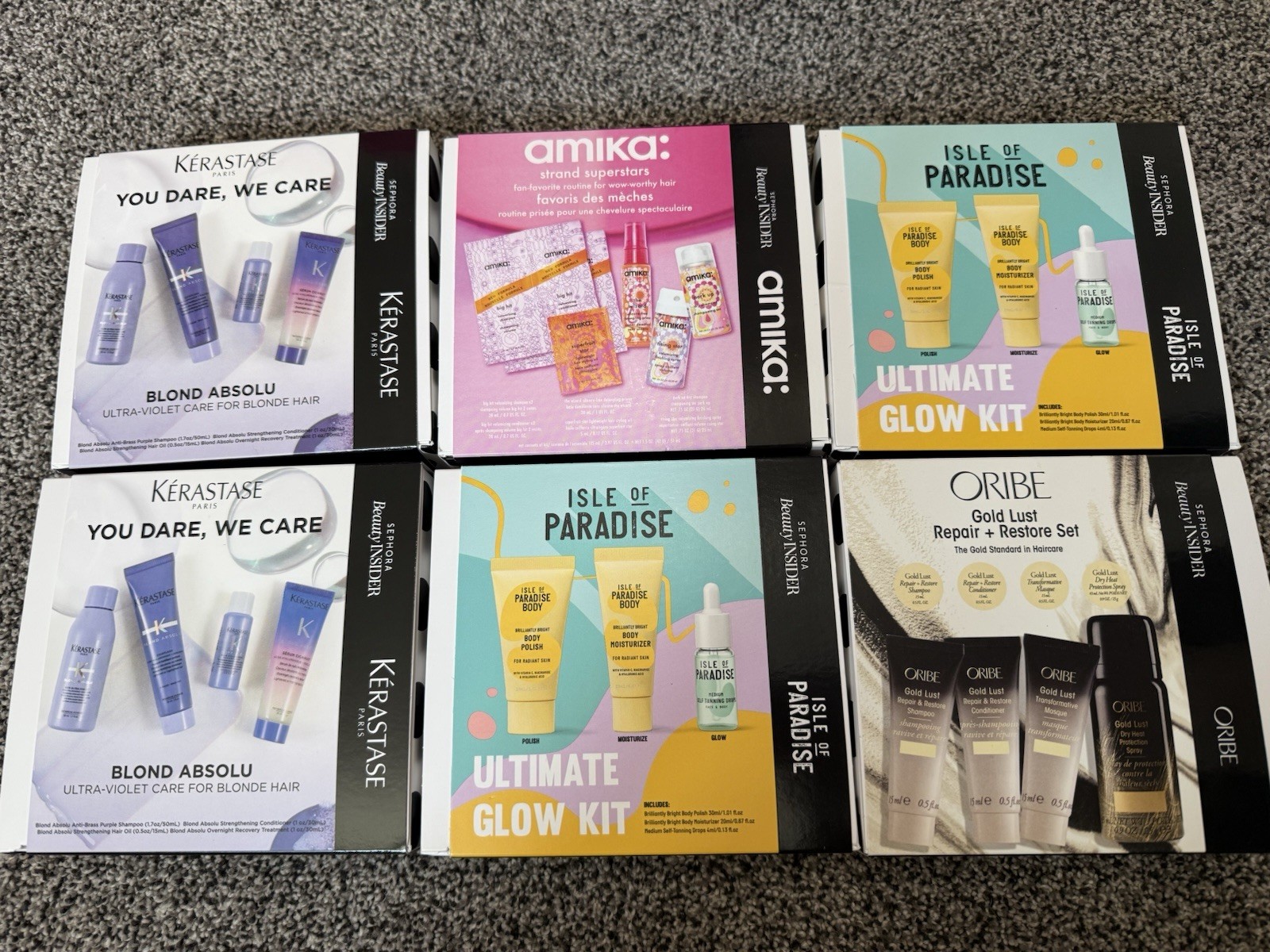

eBay links are affiliate links: JunkPal may earn a commission at no cost to you.