¿Qué es la procedencia de un reloj?
Qué significa
La procedencia de un reloj es el historial verificable y documentado de una pieza específica. Es la cadena de custodia, que detalla cada propietario, evento de servicio significativo y contexto original del reloj. Esto va más allá de simplemente tener la caja original; requiere rastros en papel: registros de servicio, recibos o correspondencia que vinculen el reloj con su historia. En el nicho de coleccionismo, esta es la narrativa verificable. Equivalente en el mercado general: un rastro documental completo o cadena de título para un activo. Confirma que el reloj es genuino y establece su pedigrí.
Cómo afecta el precio
La procedencia influye directamente en el valor de mercado al mitigar riesgos y aumentar el atractivo. Un reloj con una procedencia impecable y documentada —por ejemplo, un Patek Philippe registrado a una figura histórica conocida— puede obtener una prima del 30% al 100% o más sobre un ejemplar idéntico y sin documentación. Por el contrario, un historial manchado por lagunas inexplicables o un historial de servicio cuestionable puede deprimir el valor entre un 15% y un 40%. Por ejemplo, un Rolex Submariner con registros de servicio de fábrica rastreables al distribuidor de EE. UU. podría venderse por $5,000 más que el mismo modelo sin esa documentación.
Cómo detectarla
La procedencia no siempre es obvia. Busca que el número de serie coincida en toda la documentación (reloj, caja, papeles). Las señales clave incluyen sellos de servicio de fábrica, documentación fechada y facturas originales del distribuidor. Los vendedores deben proporcionar fotos de alta resolución de todos los papeles, especialmente cualquier sello o nota escrita a mano. Las señales de alerta incluyen documentos genéricos fotocopiados o historias que contradicen los patrones de venta históricos conocidos para ese modelo. Un error honesto podría ser la falta de una factura de servicio menor; una señal de alerta es un historial que se reporta enteramente por sí mismo sin verificación externa.
Comprar inteligentemente
Pagar una prima por la procedencia está justificado cuando el reloj es una pieza de alto valor e históricamente significativa (por ejemplo, complicaciones vintage, ediciones limitadas). Si el reloj es un modelo moderno común de nivel de entrada, el costo de adquirir y verificar la procedencia a menudo supera el aumento marginal de precio. Un trato justo significa que la prima pagada por la documentación es menor que el aumento proyectado en el valor de reventa, o al menos iguala la reducción de riesgo documentada. Si la documentación es débil, el precio debe reflejar esa incertidumbre.
Vender inteligentemente
Al listar, la procedencia transforma una mercancía en un activo con historia. Los compradores pagan significativamente más por un historial verificable. La pieza de evidencia más valiosa es una fotografía clara del número de serie del reloj yuxtapuesta al número de serie en la documentación original adjunta. Anunciar el reloj como "Incluye historial de servicio completo del distribuidor autorizado" lo separa inmediatamente del mercado general y justifica un precio de venta más alto.
On eBay right now
Current asking prices from live listings — not sold-comp medians.
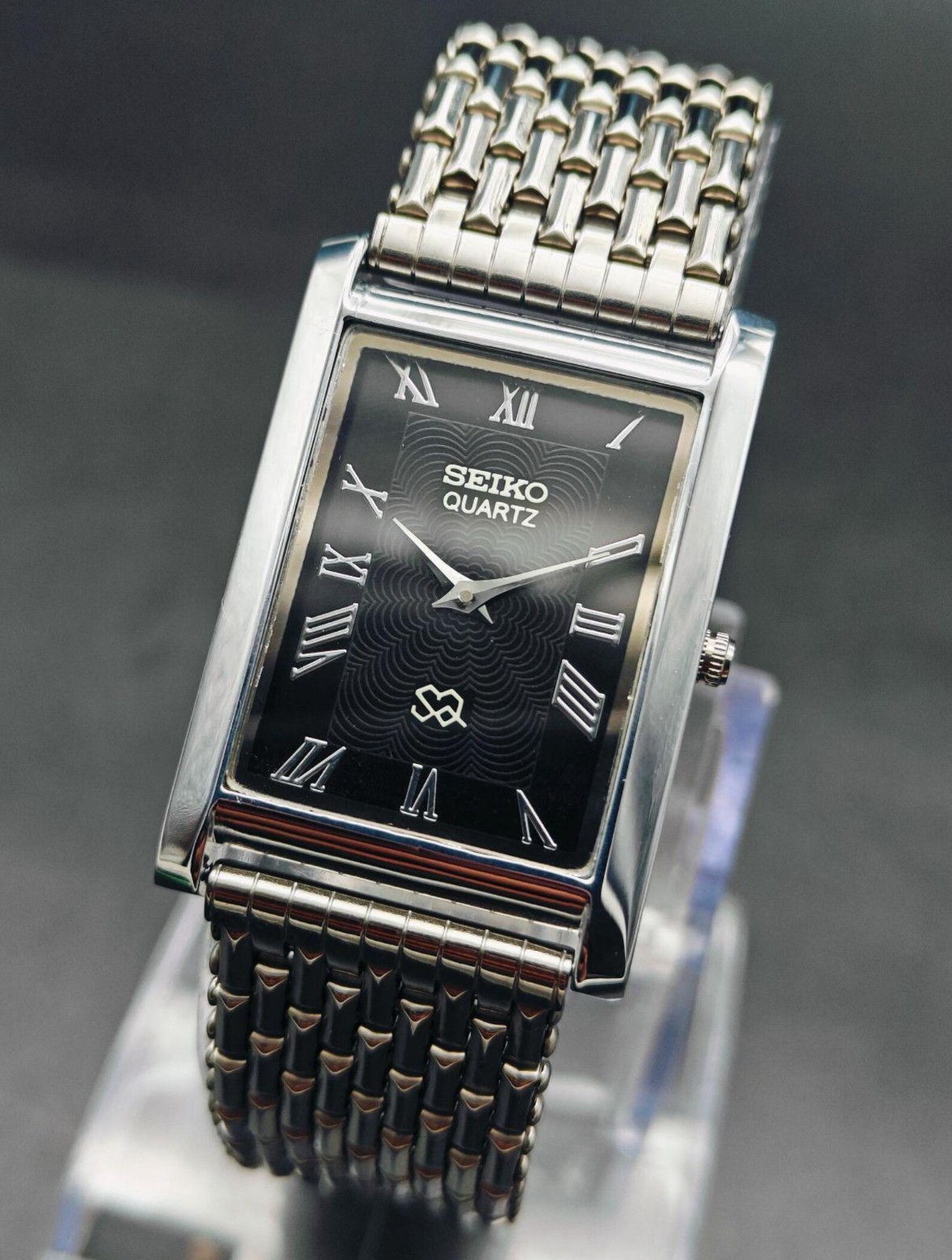


eBay links are affiliate links: JunkPal may earn a commission at no cost to you.