¿Qué es NWT?
¿Qué significa?
NWT significa "New With Tags" (Nuevo con Etiquetas). En el mercado de reventa, esto implica que el artículo está en condición completamente nueva, sin haber sido usado, y aún conserva las etiquetas originales del fabricante. Esto es distinto de "New" (Nuevo, que a veces puede implicar que el artículo fue abierto o inspeccionado) y de "Sealed" (Sellado, que significa que el empaque de fábrica permanece intacto). Para coleccionables, NWT confirma que el artículo no ha sido manipulado ni usado por el dueño. Para ropa, confirma que la prenda nunca ha sido vestida. Es el estándar de condición más alto para artículos que no están sellados de fábrica.
¿Qué le hace al precio?
El estatus NWT exige una prima de precio significativa sobre los artículos usados o sueltos. Para coleccionables de alta demanda, NWT puede alcanzar entre 1.3x y 2.5x el precio de un equivalente usado. Para ropa, la diferencia puede ser sustancial; una chaqueta deseable y codiciada en condición NWT podría venderse por $50–$150 más que el mismo artículo usado una vez. La inflación de precios está impulsada por la escasez y la preferencia del comprador por una condición prístina. Cualquier daño menor en la etiqueta o la ausencia de etiquetas reduce inmediatamente el artículo a un nivel de condición inferior, a menudo disminuyendo el precio entre un 15% y un 30%.
¿Cómo detectarlo?
La señal definitiva es la presencia de las etiquetas originales e intactas del fabricante. Estas etiquetas deben estar firmemente adheridas, no simplemente colgando sobre el artículo. Para artículos electrónicos o mercancía empaquetada, las etiquetas deben estar en el empaque minorista original, no solo en el producto en sí. Los vendedores deben proporcionar fotos de alta resolución de las etiquetas mismas, mostrando la marca, las marcas de talla y cualquier número SKU único impreso en ellas. Los errores comunes incluyen vendedores que afirman que es NWT cuando las etiquetas están arrancadas o han sido reparadas deficientemente. En algunos coleccionables, "NWT" puede usarse incorrectamente cuando el artículo es simplemente "mint" (impecable), pero las etiquetas fueron retiradas para exhibición.
Comprar inteligentemente
Pagar una prima por NWT está justificado cuando el artículo es raro, muy solicitado o forma parte de una edición limitada. Si el artículo es común o fácilmente reemplazable, la prima podría no valer el costo adicional. Un trato justo para NWT es cuando el precio de venta está dentro del 10–20% por encima del precio promedio de venta establecido para copias usadas, lo que refleja la mejora en la condición. Si la diferencia entre usado y NWT es superior al 30%, se justifica una inspección adicional o una negociación.
Vender inteligentemente
Para maximizar el precio de venta, el anuncio debe indicar explícitamente "NWT" y proporcionar una prueba visual inequívoca. El elemento más efectivo es una fotografía clara y bien iluminada centrada únicamente en las etiquetas del fabricante adjuntas. Esta foto debe mostrar claramente el nombre de la marca, la talla y el material de la etiqueta. Usar la frase "Original Manufacturer Tags Attached" (Etiquetas Originales del Fabricante Adjuntas) en la descripción refuerza la afirmación. Esta prueba permite al vendedor exigir con confianza el rango de precios más alto.
On eBay right now
Current asking prices from live listings — not sold-comp medians.
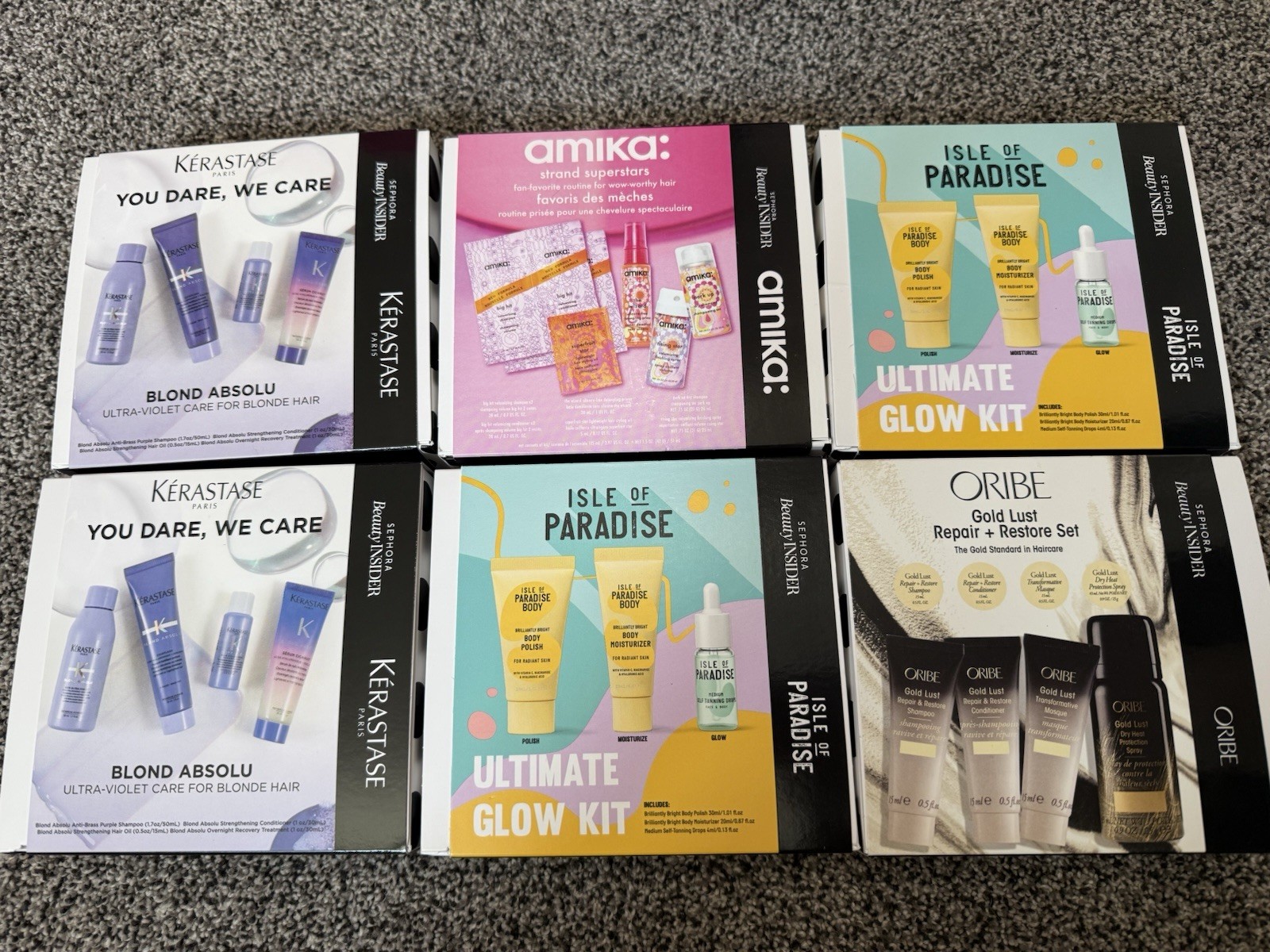


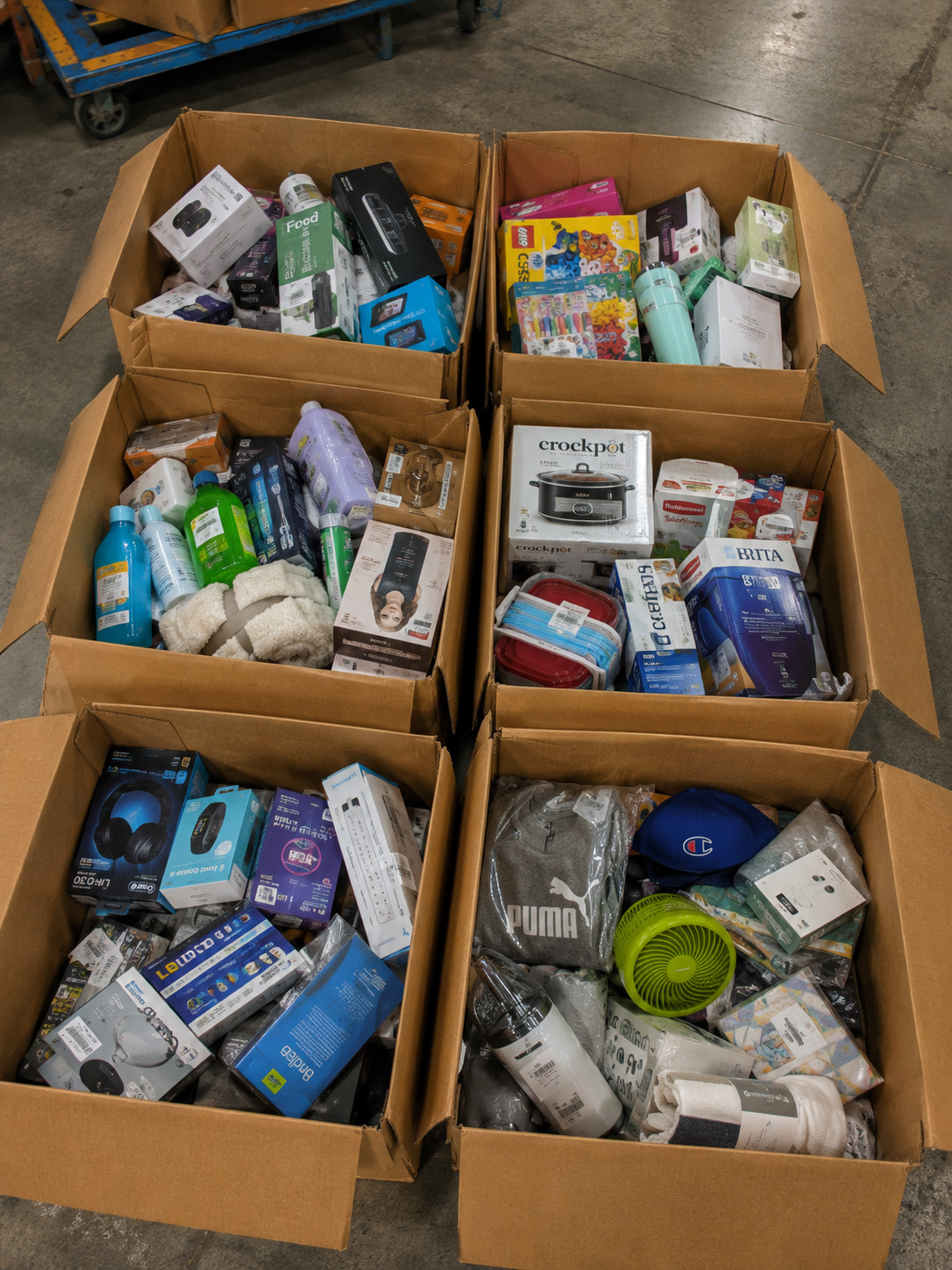
eBay links are affiliate links: JunkPal may earn a commission at no cost to you.