¿Qué es la agrupación?
Qué significa
La agrupación es el acto de empaquetar múltiples artículos coleccionables relacionados en un solo lote de venta. Esto es diferente a simplemente listar varios artículos en un anuncio; la agrupación implica una colección o set curado que se vende como una unidad unificada. El objetivo es vender un tema, una serie o un set completo, en lugar de componentes individuales. Por ejemplo, vender una "agrupación completa de minifiguras de Star Wars Episodio IV" es agrupación. El equivalente general es la venta de lotes al por mayor, pero en coleccionismo, la curación lo eleva más allá de ser solo un lote.
Qué le hace al precio
La agrupación generalmente aumenta el valor promedio de la transacción (ATV). Un set completo y curado a menudo exige una prima de precio que oscila entre 1.2x y 2.5x la suma de los valores de los artículos sueltos individuales, dependiendo de la escasez del set y la integridad de la agrupación. Si un vendedor lista 10 artículos comunes sueltos a \$5 cada uno (\$50 en total), agruparlos en un lote temático podría alcanzar entre \$75 y \$125. La prima es mayor cuando la agrupación representa una "serie completa" conocida y deseable o un set de variantes de un personaje específico. Un error común es la sobreagrupación; añadir artículos de relleno de bajo valor diluye el valor percibido y puede reducir el multiplicador.
Cómo detectarla
Detectar una agrupación requiere identificar el hilo conductor. Busca características compartidas: mismo fabricante, mismo año de lanzamiento, misma línea de personaje o numeración secuencial. Para cómics, busca números de edición consecutivos en un solo listado. Para juguetes, busca estilos de empaque coincidentes o representación de personajes consistente en varias piezas. Es común que los vendedores etiqueten mal una agrupación; la señal es cuando la descripción lista los artículos individualmente pero los precios como un solo lote. Siempre solicita fotos que muestren todos los artículos dispuestos juntos para confirmar el alcance de la agrupación.
Comprar inteligentemente
Pagar una prima por una agrupación está justificado cuando el set está demostrablemente completo, es muy buscado por coleccionistas dedicados y la agrupación ahorra al comprador mucho tiempo en la búsqueda de piezas individuales. No vale la pena la prima si la agrupación está incompleta (por ejemplo, le faltan figuras clave o números secuenciales) o si los artículos son de baja calidad y comunes. Un trato justo significa que la prima pagada es menor que el tiempo y el esfuerzo necesarios para conseguir los mismos artículos individualmente de varios vendedores. Si la agrupación se anuncia como "Set Completo", verifica cada pieza listada contra las listas de verificación de sets conocidas.
Vender inteligentemente
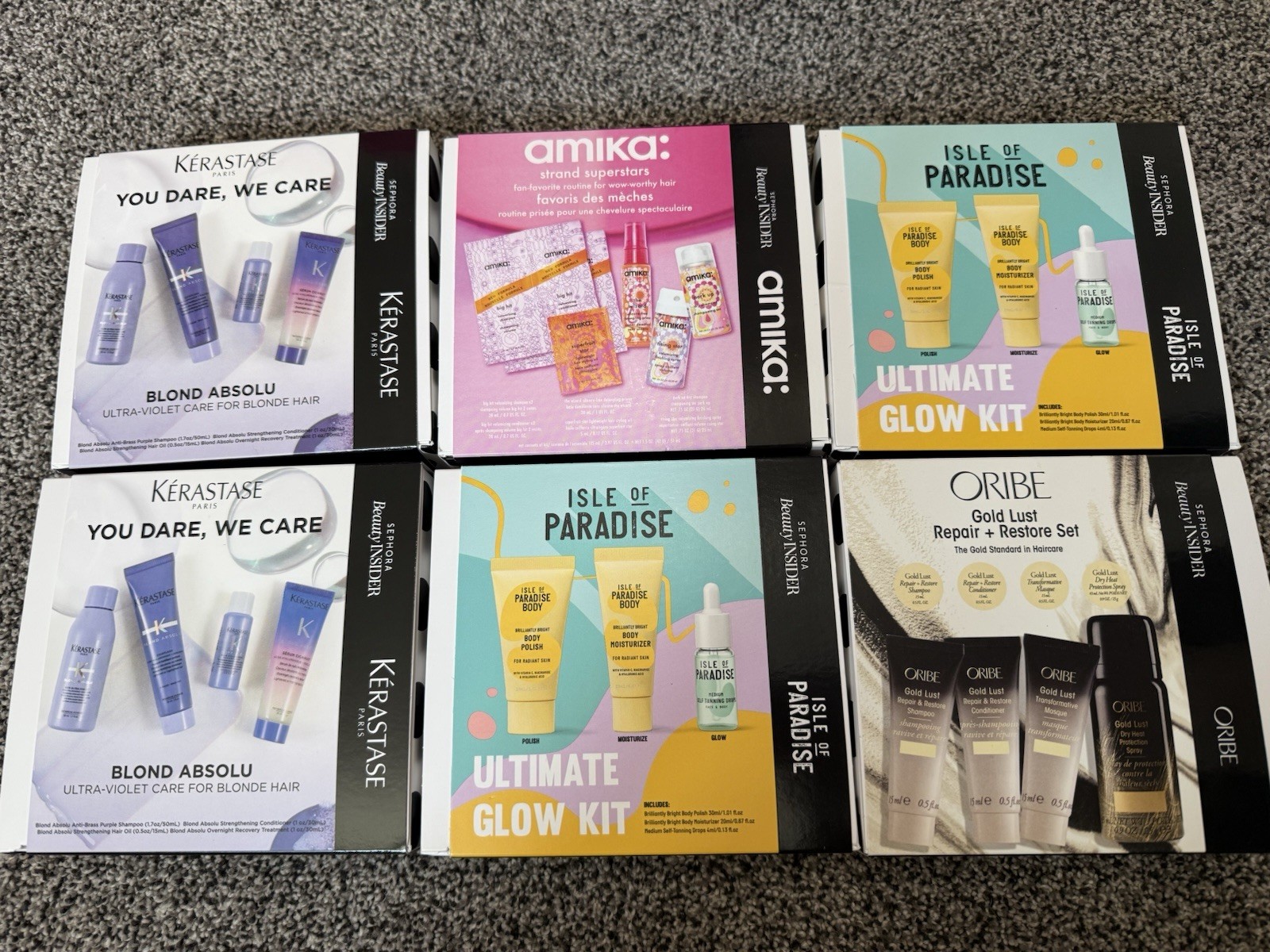
Demostrar la integridad de la agrupación impulsa la prima. Un listado debe definir claramente el alcance: "Colección completa de Snake Eyes de G.I. Joe de 1985". El único elemento que genera la prima es una foto de alta calidad y completa que muestre cada artículo del lote dispuesto claramente, a menudo con un gráfico de referencia o lista de verificación visible en el fondo. Usa palabras clave descriptivas que coincidan con la terminología de coleccionistas (ej. "Serie", "Set", "Línea Completa"). Evita términos genéricos como "Lote de". La especificidad valida el precio premium.
On eBay right now
Current asking prices from live listings — not sold-comp medians.


eBay links are affiliate links: JunkPal may earn a commission at no cost to you.