Was sind Popkultur-Artikel?
Was es bedeutet
Popkultur-Artikel sind greifbare Güter, die aus Massenmedien-Franchises stammen. Diese Kategorie umfasst, ist aber nicht beschränkt auf, Merchandise aus Film, Fernsehen, Comics, Videospielen und Musik. Der Begriff deckt alles ab, von lizenzierten Actionfiguren und Vinyl-Pressungen bis hin zu Markenbekleidung und Replika-Requisiten. Der Fokus liegt auf dem Sammlerwert, was bedeutet, dass das Stück für eine spezifische, engagierte Fangemeinde (Fandom) erkennbar sein muss. Im Gegensatz zu allgemeinem Merchandise ist der Wert direkt an den kulturellen Fußabdruck und die Sammler-Seltenheit des geistigen Eigentums gebunden, nicht nur an seine Nützlichkeit.
Was es für den Preis bedeutet
Die Preisvolatilität ist extrem und stark schwankend. Ein stark nachgefragtes, limitiertes Stück aus einer aktuell trendenden Franchise kann Preismultiplikatoren von 5x bis 20x über seinem ursprünglichen Einzelhandelspreis aufweisen. Umgekehrt können generische, massenproduzierte Artikel aus älteren, nicht mehr existierenden Franchises für 10–25 % des Einzelhandelspreises oder weniger, falls beschädigt, verkauft werden. Der Zustand wirkt als großer Multiplikator: Ein bewertetes, versiegeltes Stück (z. B. CGC oder AFA graded) kann einen Aufschlag von 3x bis 10x gegenüber einem vergleichbaren losem Stück erzielen. Ein häufiger Preistreiber ist die Seltenheit; ein Artikel, der als „Limited Run“ oder „First Pressing“ gelistet ist, wird konstant besser abschneiden als eine Standardauflage.
Wie man es erkennt
Die Verifizierung erfordert die Überprüfung von Lizenzmarken, Herstellerstempeln und Auflagennummern. Bei Figuren sollte man auf Copyright-Daten und spezifische Formvarianten achten; diese kennzeichnen Produktionsläufe. Bei Bekleidung muss man die Nahtarbeit und die Materialzusammensetzung anhand bekannter authentischer Beispiele überprüfen. Verkäufer müssen hochauflösende Fotos aus allen Winkeln bereitstellen, insbesondere von Verpackungsversiegelungen und sichtbaren Seriennummern. Häufige Fehler sind falsche Kennzeichnung (z. B. ein Standardauflage als „Exclusive“ deklarieren) oder „Re-Releases“, die als originale Erstauflagen verkauft werden. Fälschungen weisen oft eine schlechte Farbanwendung oder ein falsches Materialgewicht auf.
Klug kaufen
Eine Prämie ist nur dann gerechtfertigt, wenn das Stück nachweislich selten ist, aus einer kritisch gefeierten oder aktuell hochgehypten Franchise stammt und sich in neuwertigem oder bewertetem Zustand befindet. Wenn ein Artikel häufig ist, weit verbreitet oder keine klare Dokumentation seiner begrenzten Natur aufweist, ist eine Prämie meist unbegründet. Ein fairer Deal erfordert, dass der Angebotspreis innerhalb von 1,5x bis 3x dem etablierten Durchschnitt des Sekundärmarktes für diese spezifische Zustandsstufe liegt. Wenn der Angebotspreis 4x den Durchschnitt übersteigt, ohne eine verifizierte Bewertung oder einen Beweis extremer Seltenheit, ist Vorsicht geboten.
Klug verkaufen
Die Auflistung muss sofort Herkunft und Zustand festlegen. Das wertvollste Gut in einer Auflistung ist der fotografische Beweis des Zustands des Artikels – klare, gut beleuchtete Fotos des gesamten Stücks und aller Verpackungsversiegelungen. Bei hochwertigen Artikeln rechtfertigt die Angabe von Dokumentation (z. B. Quittung, Echtheitszertifikat) in der Beschreibung eine höhere Preisstufe. Die Verwendung spezifischer Fandom-Terminologie im Titel (z. B. „Vintage [Franchise Name] Variant“) zielt auf die amkundigsten informierten Käufer ab, die bereit sind, für Nischengenauigkeit mehr zu bezahlen.
On eBay right now
Current asking prices from live listings — not sold-comp medians.


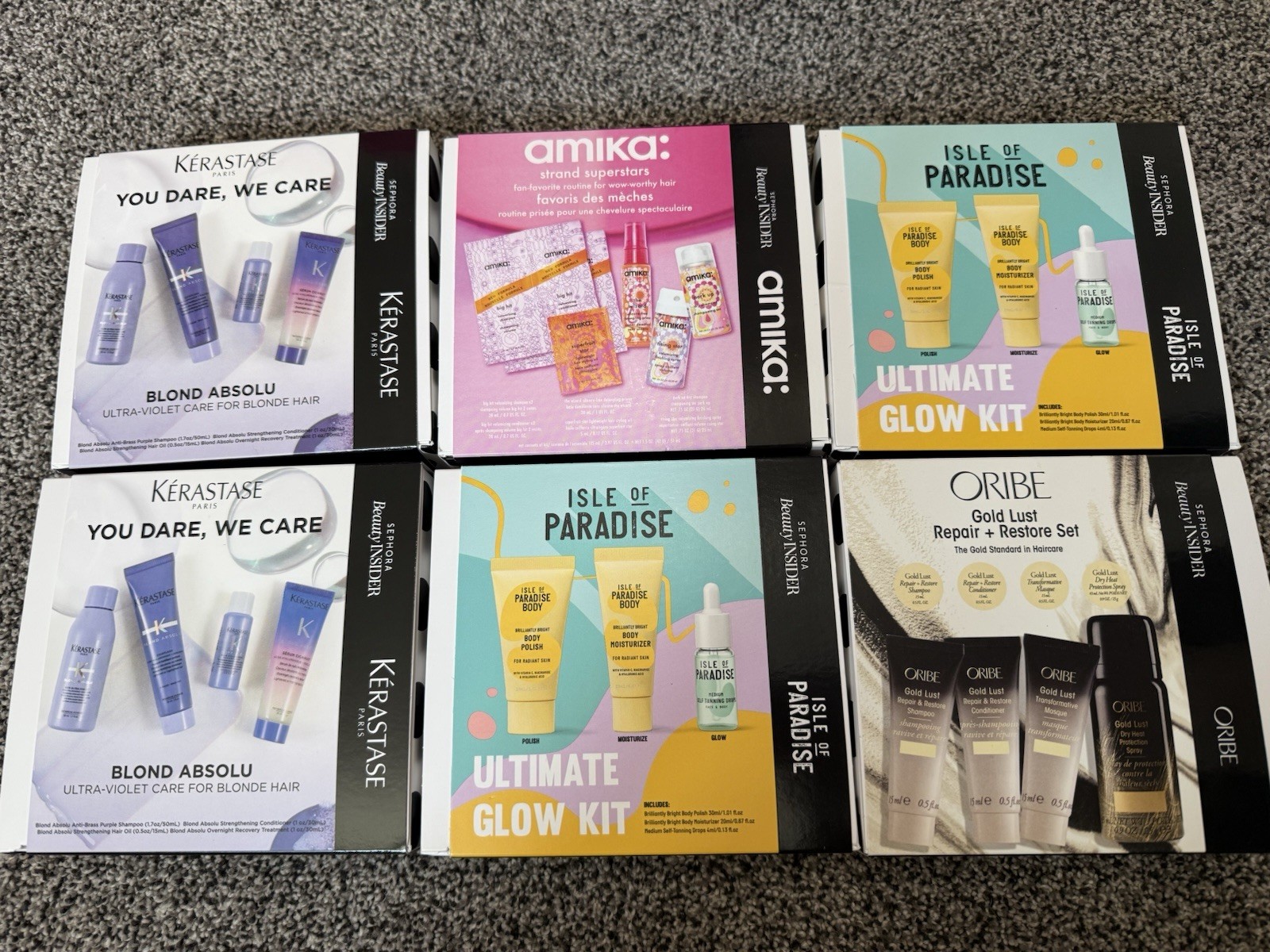

eBay links are affiliate links: JunkPal may earn a commission at no cost to you.